
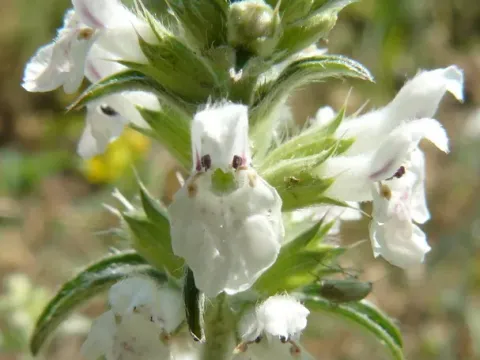
Iberian hedge-nettle
Stachys iberica
The Iberian hedge-nettle (Stachys iberica) is a member of the Lamiaceae family. As a perennial herbaceous plant, it is typically propagated via seeds sown in early spring once the soil temperature reaches at least 10-12 degrees Celsius.
What the section contains
Iberian hedge-nettle
Preparing the seedbed requires deep tillage to ensure proper root development. Seeds should be sown at a shallow depth of 1-2 centimeters, as they require consistent moisture to germinate effectively.
In large-scale farming, rows are spaced approximately 45 centimeters apart. This spacing is essential for mechanical weeding and ensures that each plant has enough room to establish a robust crown.
Seedlings emerge within two to three weeks of planting. Maintaining steady surface moisture during this period is critical for successful establishment before the plant develops deeper roots.
Vegetative propagation via root division is also viable. This method is often preferred for smaller plots or specific nurseries to ensure uniform growth and faster establishment of perennial beds.
The plant thrives in sunny environments, as full sun exposure maximizes the concentration of essential oils and other secondary metabolites within the leaves and stems.
Iberian hedge-nettle prefers well-drained, sandy loam or loam soils with a neutral pH. It is highly intolerant of waterlogged soil, making site selection with good natural drainage a priority.
It is remarkably drought-tolerant, which makes it an excellent candidate for semi-arid agricultural regions. Once established, the plant can withstand prolonged dry spells without significant loss in productivity.
Optimal growth occurs at temperatures ranging between 20 and 25 degrees Celsius. The species is cold-hardy, allowing it to survive winter conditions in moderate climates without requiring specialized protection.
Strategic application of potassium and phosphorus fertilizers during the early growth stages significantly enhances the structural integrity of the stems and boosts overall biomass yield.
Fungal diseases, particularly powdery mildew, pose a significant risk during periods of high humidity. Proper field ventilation and avoiding dense planting help mitigate the spread of these pathogens.
Root rot is a common issue resulting from over-irrigation or poorly drained soils. Managing the water regime strictly is the primary defense against these soil-borne threats.
Pests such as aphids and spider mites can damage foliage. Regular monitoring is necessary, as these insects can drain the plant's resources and reduce the overall quality of the harvested crop.
Integrated pest management strategies, including the use of beneficial insects and selective organic pesticides, are recommended to control pest populations without harming the ecosystem.
Sanitation practices, such as clearing plant debris after harvesting, are crucial to prevent the overwintering of pests and fungi on the plot, ensuring healthier crops in the next season.
Harvesting is best conducted at the peak of the flowering stage, which ensures the highest possible content of medicinal and volatile compounds. This period typically corresponds to the plant's most vibrant bloom.
Mechanical harvesting using specialized mowers is standard for larger operations. Plants are cut at about 5-10 centimeters above the ground to allow for rapid regrowth from the base.
Immediately after harvest, the raw plant material must be dried in shaded, well-ventilated areas or in controlled-temperature dryers. Avoiding direct sunlight is vital to maintain the plant's natural pigments and aroma.
Once dried to the desired moisture level, the product should be packed in breathable containers or bags. Proper storage in a cool, dry place prevents the degradation of active chemical components.
Under optimal conditions, including sufficient soil nutrients and irrigation, it may be possible to secure two harvests per year, provided the plant is given sufficient time to recover before dormancy.