
Japanese bugle
Ajuga japonica
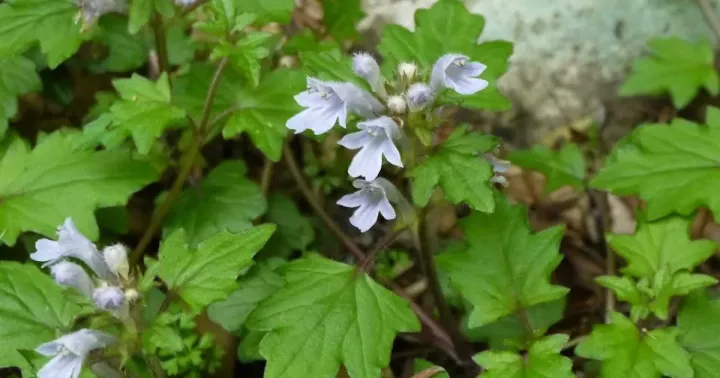
Description
Growing requirements
Ajuga japonica, commonly known as Japanese bugle, is a perennial flowering plant in the Lamiaceae family, prized for its vigorous growth and ability to form dense ground cover.
Native to East Asia, specifically Japan, this species thrives in forest environments where it benefits from partial shade, high humidity, and nutrient-rich, moist soil conditions.
The plant grows via stolons—creeping stems that root at nodes—allowing it to spread rapidly across the landscape, which is beneficial for soil stabilization and weed suppression.
It requires consistent moisture throughout the growing season but demands well-draining soil to prevent the crown from rotting, as stagnant water is detrimental to its health.
In landscaping, it serves as an excellent decorative filler for shaded areas where other more demanding plants fail to thrive due to limited sunlight exposure.
Main diseases and pests
The primary threats to Ajuga japonica include fungal pathogens like root rot and powdery mildew, which often flourish in conditions with poor airflow and high humidity.
Slugs and snails are the most significant invertebrate pests, frequently feeding on the succulent foliage and creating unsightly holes in the plant's dense mat.
Cultural control methods such as proper spacing and organic mulching can help maintain plant vigor and reduce the susceptibility to common environmental stressors.
If an infestation or infection occurs, targeted treatment using appropriate fungicides or molluscicides is necessary to protect the aesthetic integrity of the groundcover.
Gardeners are advised to monitor the foliage periodically, especially after periods of heavy rainfall, to identify potential issues before they cause widespread damage.