
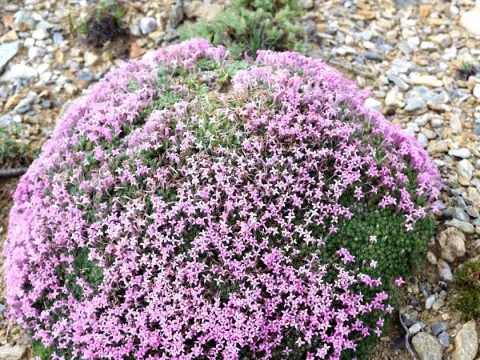
Thymus cherlerioides
Thymus cherlerioides
The sowing of Thymus cherlerioides is best conducted in early spring when soil temperatures reach a consistent 12–15 degrees Celsius. Early May is typically the optimal window for direct field seeding.
What the section contains
Thymus cherlerioides
For greenhouse or nursery production, seeds should be sown in late winter in light, well-draining substrate. Using seedling trays ensures higher germination rates and allows for easier transplanting later in the season.
When sowing directly into the ground, seeds should be barely covered with soil, as they require light and shallow placement to germinate effectively. Firming the soil surface after sowing improves seed-to-soil contact.
Thinning is essential for maintaining optimal stand density. A spacing of at least 20–25 cm between plants promotes good airflow, which is critical for reducing the incidence of fungal diseases during the growing season.
In regions with mild winters, autumn sowing can also be employed to allow for natural stratification, provided that the fields are protected from excessive moisture during the coldest months.
Thymus cherlerioides belongs to the Lamiaceae family and thrives in open, sunny environments. It is a highly resilient plant that is well-adapted to poor, rocky, or sandy soils with neutral to slightly alkaline pH.
Effective drainage is the most critical requirement for this species. Waterlogging in the root zone can quickly lead to plant mortality, making elevated planting beds a preferred technique in areas with heavy soil.
The species exhibits excellent drought tolerance once established, though moderate irrigation during the peak growth phase will maximize the biomass yield. Over-watering should be strictly avoided to preserve oil content.
Climate-wise, this herb prefers moderate humidity and high light intensity. Prolonged periods of heavy rain can significantly impact the quality of the essential oils, so site selection should prioritize regions with good air circulation.
Weed management is vital during the initial establishment of the crop. Regular cultivation between rows helps keep the field clear of invasive plants that compete for sunlight and nutrients.
Harvesting is performed during the full bloom stage, as this is when the concentration of essential oils is highest. Timing is crucial to ensure the highest quality end-product for medicinal or culinary use.
The plants are harvested by cutting the upper green stems, ensuring that the woody base of the plant remains intact. This practice allows the thyme to recover quickly and produce subsequent growth for future seasons.
Proper drying is essential to maintain the aromatic profile of the herb. The material should be dried in a well-ventilated, shaded area at temperatures not exceeding 40 degrees Celsius to prevent the loss of volatile compounds.
When the stems are dry enough to snap cleanly rather than bend, the drying process is complete. Proper processing ensures the herb remains shelf-stable for long-term storage.
Storage should take place in airtight containers in a cool, dark place to protect the harvested thyme from moisture and UV degradation, which can quickly diminish the quality of the essential oils.