
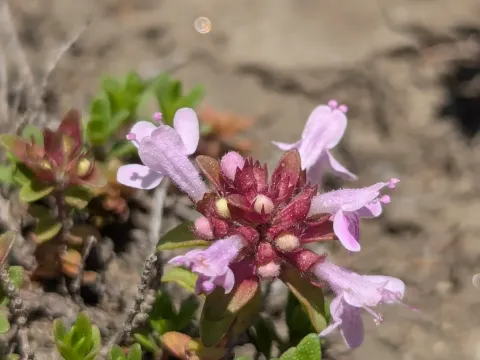
Thymus linearis
Thymus linearis
Thymus linearis is a perennial aromatic herb belonging to the Lamiaceae family. It is distinguished by its narrow, linear leaves and compact, shrub-like growth habit, making it a valuable crop for essential oil production.
What the section contains
Thymus linearis
The plant thrives in full sun exposure. Adequate light is essential for the synthesis of volatile oils, which are the primary components for its medicinal and culinary value.
It prefers well-drained, sandy, or rocky soils with a neutral to slightly alkaline pH. Drainage is a critical factor, as stagnant water significantly increases the risk of root rot and plant death.
Thymus linearis is highly resilient, showing excellent drought tolerance once established. It is well-suited for temperate regions with distinct seasonal temperature variations.
Soil fertility requirements are moderate. Over-fertilization, especially with high nitrogen content, should be avoided as it promotes rapid but succulent growth that is less aromatic and more prone to pests.
Seeds can be sown directly in the field in spring once the soil temperature is consistently above 10-12 degrees Celsius, or in early autumn in milder climates.
For better results, nursery sowing is recommended. Seeds should be surface-sown in a light, fine-textured medium, as they require light for germination and are very small.
Germination is typically slow and can take up to three weeks. Consistent moisture levels must be maintained during this sensitive stage using a light misting technique.
Seedlings are transplanted to the field at a spacing of 30-40 cm between rows, ensuring enough room for mechanical weeding and air circulation.
Establishing a dense stand is important for weed suppression, although early management is necessary to prevent competition until the thyme plants mature.
Root rot caused by Phytophthora or Pythium species is the most common threat. This is primarily managed by improving soil drainage and strictly controlling irrigation frequency.
Powdery mildew may occur in stagnant, humid air conditions. Ensuring proper spacing between plants is the most effective cultural practice to prevent the spread of fungal spores.
Aphids can be a major pest during the spring growth phase. Monitoring for infestations early allows for biological control measures before they impact the harvest quality.
Mites can cause leaf stippling and damage if the plants are stressed by drought. Keeping plants healthy through appropriate cultural practices remains the best preventative strategy.
Removing plant debris after the final harvest of the season is essential to disrupt the life cycle of overwintering pests and fungal pathogens.
Harvesting should be timed to coincide with the peak flowering period, which usually yields the highest concentration of beneficial essential oils.
The stems should be cut at least 5-7 cm above the ground. This allows the root crown to remain protected and promotes faster vegetative regrowth for the following season.
Drying is performed in dark, well-ventilated areas. Rapid drying away from direct sunlight is crucial to preserve the essential oil composition and the plant's natural green color.
Thymus linearis is extensively utilized in the pharmaceutical industry for its antimicrobial properties, as well as in the culinary industry as a high-quality flavoring agent.
Once dried, the herb should be stored in opaque, airtight containers to maintain its aroma and potency for an extended shelf life of up to 24 months.