
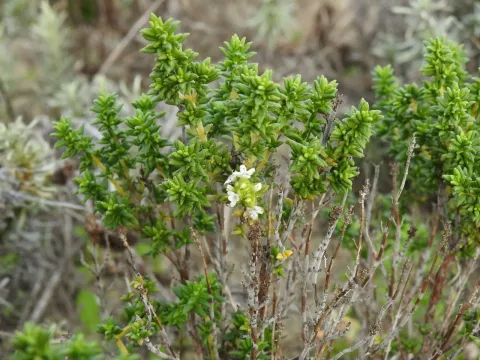
Thymus carnosus
Thymus carnosus
Thymus carnosus belongs to the Lamiaceae family. This species is notably rare and originates from the coastal sandy environments of southern Portugal and Spain. Propagation is typically achieved through seeds or stem cuttings during the spring season.
What the section contains
Thymus carnosus
For seed germination, use a well-draining, lightweight sandy substrate. Seeds should be sown on the surface and pressed lightly, as they require light to germinate effectively. Maintain a consistent moisture level without waterlogging.
The optimal temperature for seed germination ranges between 20°C and 22°C. Once the seedlings develop their first true leaves, they should be transplanted into individual pots to foster strong root development before moving them to the field.
Hardening off the plants is a critical step before transplanting them into the open ground. This process ensures the seedlings adjust to external environmental factors such as wind and varying temperatures.
When planting in the field, space the plants generously to allow for proper airflow. Proper spacing prevents the accumulation of humidity, which is a major factor in the plant's long-term health and survival.
Thymus carnosus thrives in full sun and requires a site that receives maximum light throughout the day. It is naturally adapted to harsh, coastal conditions, meaning it tolerates wind and heat exceptionally well.
The soil must be alkaline, sandy, or stony with excellent drainage. This plant is highly sensitive to root rot, so any form of water stagnation in the soil will likely result in the death of the specimen.
Minimal fertilization is required; in fact, the plant performs best in nutrient-poor soils. Excessive nitrogen can lead to rapid, weak growth and a significant reduction in the concentration of essential oils in the foliage.
This species prefers a Mediterranean climate. In colder regions, it is essential to cultivate it in pots that can be moved indoors during frost or to provide heavy winter protection for outdoor plantings.
Watering should be very limited. Only irrigate during extreme, prolonged drought periods. The plant's fleshy leaves are evolved to retain moisture, making it highly efficient in water use compared to other species.
The commercial value of Thymus carnosus is derived from its high-quality essential oil content. Yield efficiency depends on the amount of sunshine received and the plant's age. Older, well-established plants generally produce a higher concentration of aromatic compounds.
Harvesting is conducted during the full bloom phase, which corresponds with the peak concentration of essential oils. This timing is critical for ensuring the highest quality of the final product.
Proper maintenance of the plantation allows for productive harvests for several years. After about five years, the plants may show signs of senescence, necessitating replanting to maintain high yields.
The total yield can be increased by implementing regular, light pruning throughout the growing season, which encourages the plant to produce a denser and more branched structure for subsequent harvests.
Successful yield management requires efficient post-harvest handling. Immediate processing and drying of the collected biomass are necessary to prevent the volatilization of the aromatic components.
The primary threat to this crop is excessive humidity, which favors the development of fungal pathogens. Root rot is the most common cause of failure in agricultural settings where drainage is insufficient.
Pests such as spider mites may infest the plants during hot and dry conditions. Regular inspections are necessary to identify these pests before they reach levels that significantly impact plant vitality.
Aphids can also colonize the plant during the spring flush, causing leaf deformation and stress. Natural predators or soft biological control agents are preferred over chemical pesticides to preserve the quality of the harvest.
Weed management is vital during the early establishment phase of the crop. Weeds compete for resources and restrict the necessary airflow, increasing the likelihood of disease transmission.
Maintaining a clean, well-aerated planting environment is the best preventative strategy against most biotic threats. Avoiding overcrowded layouts significantly reduces the impact of pests and diseases.
Harvesting should be performed in the early morning after the dew has evaporated but before the heat of the day reaches its peak. This helps to maximize the essential oil content within the plant tissue.
Use clean, sharp tools for harvesting to avoid crushing the stems. A clean cut ensures that the plant heals quickly and continues its metabolic functions without excessive stress.
Transport the harvested material immediately in crates that allow for airflow. Never pack the material tightly, as this generates heat and causes fermentation, which will destroy the aromatic properties.
Drying must take place in a shaded, well-ventilated area. Direct sunlight causes a rapid loss of essential oils and degrades the color of the herb, reducing its market value.
Once dried, the herbs should be stored in opaque, airtight containers. Proper packaging is essential for protecting the product from moisture and light, thereby extending its shelf life significantly.