
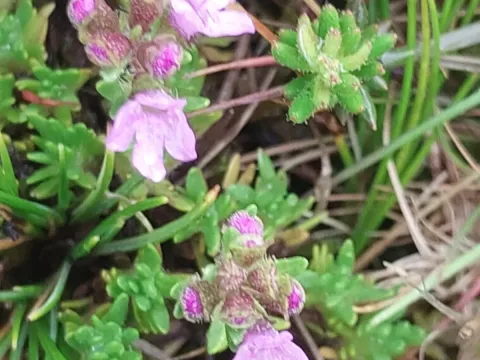
Thymus caespititius
Thymus caespititius
Sowing Thymus caespititius typically occurs in early spring, ideally during March or April, using a seedling-based approach to ensure high germination rates. Given the extremely small size of the seeds, they should be surface-sown onto a well-draining substrate, barely pressed into the soil to ensure light penetration.
What the section contains
Thymus caespititius
The optimal germination environment requires consistent humidity and temperatures around 18–20 degrees Celsius. Seedlings usually emerge within two to three weeks; once they reach a manageable size, they should be placed in a bright location to harden before transplanting into the field.
Transplanting to the permanent outdoor location should take place after the risk of frost has passed, usually late May or early June. A spacing of at least 25–30 centimeters is recommended to facilitate adequate air circulation, which helps reduce the risk of common fungal diseases.
Vegetative propagation is also highly effective for this species; dividing mature clumps or taking stem cuttings during the summer months allows for faster development and consistent genetic traits compared to growing from seeds.
In regions with milder climates, direct outdoor sowing is possible if the soil is prepared to a fine tilth and kept consistently moist during the critical germination phase. Regardless of the method, keeping the seedbed free from competing weeds is crucial during the initial stages of development.
As a member of the Lamiaceae family, Thymus caespititius is a sunlight-demanding species that thrives in open, sunny locations. Insufficient light levels negatively impact its growth pattern, causing the plants to become leggy and reducing the overall oil yield in the foliage.
This crop prefers light, well-draining soils with excellent aeration, including sandy loam or rocky substrates typical of its natural environment. Soils with high clay content that retain too much water are unsuitable, as they significantly increase the probability of root rot.
Thymus caespititius is naturally drought-tolerant and requires moderate irrigation only during the establishment phase or severe dry spells. Overwatering is generally more harmful than brief periods of drought, as excessive soil moisture can rapidly lead to root decline.
Fertilization should be handled with caution, as high nitrogen levels promote excessive green growth at the expense of aromatic potency. A balanced, low-concentration fertilizer applied in early spring is generally sufficient to sustain healthy growth and improve resistance against environmental stressors.
Winter care is essential in colder climates; while the plant is generally hardy, providing a light mulch or covering during extreme cold snaps can help protect the crown of the plant, ensuring a faster regrowth in the subsequent growing season.
Fungal pathogens represent the primary threat to Thymus caespititius, particularly under conditions of high humidity or poor soil drainage. Root rot and collar rot are the most common issues that can lead to rapid wilting and the total loss of mature specimens if not addressed early.
Powdery mildew is another common concern, manifesting as a white, dusty layer on the foliage that degrades the quality of the raw material. Maintaining proper planting density and ensuring effective airflow between the plants are the most critical preventative measures against these diseases.
Pests such as aphids and various types of weevils can feed on tender young shoots, causing stunting and damage. Using biological control methods is highly recommended over synthetic pesticides to preserve the purity of the aromatic leaves and flowers for culinary or medicinal use.
Regular field sanitation, which includes the removal of dead plant material and weed management, is essential to disrupt the life cycles of common pathogens and pests. Keeping the area surrounding the plants clean significantly contributes to the longevity and productivity of the thyme patch.
Avoid planting this crop on sites where other Lamiaceae members have been grown recently to prevent the build-up of host-specific pathogens in the soil. Crop rotation is a fundamental practice for ensuring the continued success of the agricultural unit.
The optimal harvest timing for Thymus caespititius is during the period of full bloom, as this is when the concentration of essential oils within the plant tissue is at its absolute peak. Harvesting at this stage ensures the best aromatic and therapeutic quality of the final product.
Harvesting should be performed on a dry, sunny day, preferably after the morning dew has fully evaporated, to ensure the harvested material is clean and dry. Only the top, soft leafy portions of the stems should be cut, leaving the woody lower sections to ensure plant longevity and recovery.
Once harvested, the material must be dried promptly in a dark, well-ventilated area to prevent degradation of the volatile oils. Exposure to direct sunlight must be strictly avoided during the drying process, as it causes rapid loss of scent and discoloration of the herb.
Proper storage is vital; once completely dried, the thyme should be kept in airtight glass or metal containers. This preserves the aromatic compounds and prevents the herb from absorbing moisture or ambient odors, maintaining its quality for an extended period.
This plant is widely valued for its diverse applications, including culinary use as a flavoring agent, pharmaceutical production for respiratory health, and the cosmetics industry for its antiseptic properties. Its aromatic profile makes it a high-demand crop in specialized herb markets.