
Thymus borysthenicus
Thymus borysthenicus
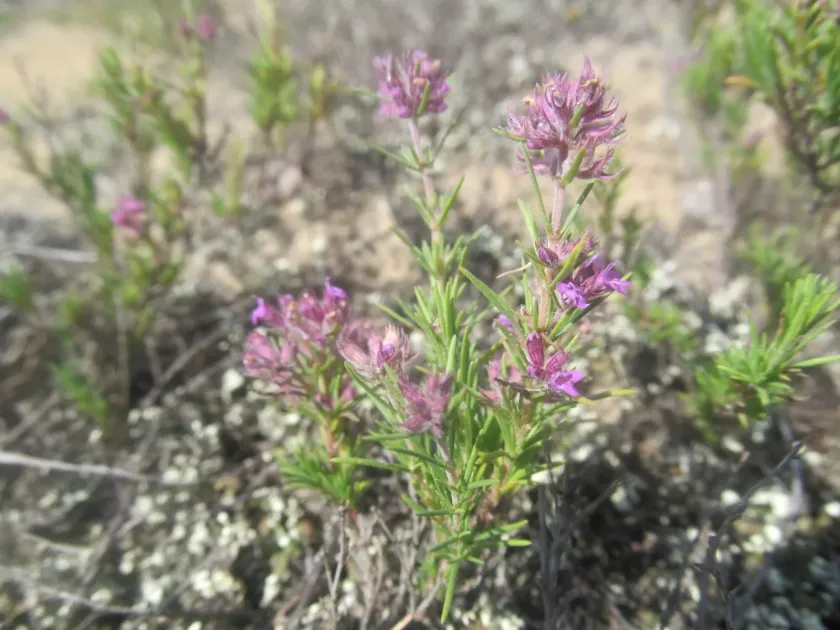
Description
Sowing dates
The sowing of Thymus borysthenicus is typically performed in early spring as soon as the soil warms up to 10–12°C. Late autumn sowing is also an option, allowing seeds to undergo natural stratification, which enhances overall germination rates.
Since the seeds are extremely small, they should be sown at a depth of no more than 0.5–1 cm. Using precision seeders designed for fine seeds ensures an even distribution and optimal plant density across the field.
Recommended row spacing is between 45 and 60 cm to facilitate mechanical weeding and ensure that the plants have sufficient space to spread and thrive during their active growth phase.
Seedlings usually emerge within 2–3 weeks after sowing. During this critical window, it is essential to maintain consistent soil moisture, as the delicate seedlings are highly vulnerable to dry crusts forming on the soil surface.
Belonging to the Lamiaceae family, Thymus borysthenicus requires a well-prepared seedbed free of aggressive weeds, which could otherwise suppress the young plants during their slow early development stage.
Growing requirements
This crop is highly light-demanding and performs best in open, sun-exposed areas. Shading significantly reduces the accumulation of essential oils, which is a key economic factor for the quality of the raw material.
The plant thrives in light, sandy, or loamy soils with excellent drainage. Waterlogged soil is detrimental to its root system, making site selection with good drainage or elevated terrain a primary concern for growers.
Thymus borysthenicus is naturally drought-tolerant and displays good frost resistance, reflecting its adaptation to steppe and river valley climates. It does not require excessive watering once established.
Excessive nitrogen fertilization should be avoided, as it promotes lush but weak vegetative growth, which is susceptible to winter damage. A balanced approach using phosphorus and potassium fertilizers is preferred.
The plant performs poorly in heavy, clay-rich soils that restrict airflow to the roots. If the soil is too dense, soil modification with sand or organic amendments is necessary to improve aeration.
Yield
The yield of dried material for Thymus borysthenicus typically ranges between 1.5 and 3 tonnes per hectare, depending on the plantation's age and the level of agricultural maintenance performed throughout the season.
Maximum productivity is generally achieved between the third and fifth years. As the plants mature, the stems become woody, and the biomass yield starts to decline, signaling the need for eventual crop rotation.
Favorable rainfall patterns during the peak growth months can significantly boost output. Under optimal conditions, growers may be able to harvest the crop twice in a single growing season.
Quality is measured by the concentration of essential oil components like thymol and carvacrol. Harvesting at the peak of the flowering phase is mandatory to ensure the raw material meets pharmaceutical standards.
This crop offers a high return on investment for herbal farms due to its relatively low demand for inputs such as water and synthetic fertilizers compared to traditional row crops.
Main diseases and pests
Root rot is the most serious threat to Thymus borysthenicus, usually triggered by poor drainage or excessive soil moisture. Preventive measures focus on maintaining good water management in the field.
Pests such as aphids and spider mites can cause damage, particularly during hot and dry spells. Regular scouting of the fields is essential to detect pest outbreaks and initiate treatment before they spread.
Weed management remains the most labor-intensive aspect of farming this herb. Perennial weeds can quickly overwhelm the crop, so mechanical hoeing is necessary to maintain weed-free zones between the rows.
Fungal infections can develop if the air circulation is restricted by overly dense planting. Proper plant density is critical to maintaining a healthy, disease-free environment for the herb.
Adhering to a strict crop rotation schedule is vital for preventing soil-borne diseases. It is recommended not to replant thyme in the same field for at least 5 years after the removal of an old plantation.
Harvesting
Harvesting is ideally conducted during the full flowering stage. This is the period when the plant contains the highest concentration of aromatic compounds, ensuring the best quality and market value of the product.
Mechanical harvesting using specialized mowers is common on larger farms. The blades should be set to cut the stems 5–10 cm above the ground to protect the crown of the plant and ensure quick regrowth.
Post-harvest logistics are vital. Freshly cut biomass must be transported to drying facilities immediately to prevent heating and fermentation, which can rapidly degrade the quality of the essential oils.
Drying should take place in well-ventilated rooms or industrial dryers at temperatures between 35–40°C. Higher temperatures can lead to the evaporation of volatile aromatic compounds.
After reaching the desired moisture content, the product should be cleaned of impurities and stored in airtight, dark containers to protect the dried herb from light, moisture, and potential oxidation.