
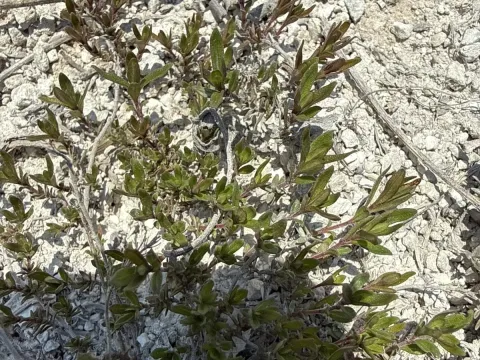
Thymus calcareus
Thymus calcareus
Sowing Thymus calcareus is typically performed using seeds or vegetative division of mature bushes. Seeds should be sown in early spring or autumn, depending on the climatic zone, ensuring soil temperatures are conducive to germination.
What the section contains
Thymus calcareus
Since the seeds are extremely small, they require surface sowing or very shallow coverage (less than 0.5 cm deep) to ensure they receive sufficient light. Keeping the substrate moist is vital during the initial 2-3 weeks of germination.
For nursery production, seeds are sown in trays or greenhouses several weeks before the frost-free date. This method provides better control over the environment and ensures higher survival rates for young seedlings.
Transplanting into the permanent field location occurs when the risk of frost has passed and the plants have developed a strong root system. Proper spacing is crucial to prevent competition and allow for healthy air circulation.
During the first year, the crop requires consistent weeding, as it grows slowly and can easily be overtaken by more aggressive weeds in the early stages of development.
Thymus calcareus belongs to the Lamiaceae family and is naturally adapted to limestone or chalky soils. This cultural heritage makes it a strict calcicole, preferring soils rich in calcium carbonate.
The species requires full sun exposure to thrive and produce high concentrations of essential oils. Shaded environments cause the plants to become leggy and significantly reduce their aromatic potency.
Drainage is the most important factor in soil management for this species. It cannot tolerate waterlogged conditions, which lead to rapid root decay and plant mortality in a very short period.
The ideal soil is light, sandy, or gravelly with a neutral to alkaline pH. Heavy clay soils are generally unsuitable unless significant structural modifications are made to improve drainage.
The plant is highly drought-tolerant once established. Its native adaptation allows it to survive in harsh, arid, and poor soil conditions where other traditional agricultural crops would fail.
Productivity reaches its peak from the second year onwards after the plant has established a robust root system. Continuous harvesting of raw material can be achieved through disciplined pruning and maintenance.
Yield quantities vary depending on environmental factors, soil fertility, and irrigation practices. Despite its preference for arid conditions, occasional targeted irrigation can improve vegetative mass output significantly.
The quality of the yield is strictly dependent on the harvest timing, which should coincide with the peak flowering phase. This is when the concentration of secondary metabolites and essential oils is at its highest.
A typical plantation remains productive for 5 to 7 years. After this period, the plants may show signs of age-related decline, requiring renovation of the field to maintain output quality.
Applying micronutrient fertilizers that focus on calcium support can help sustain consistent yields and improve the overall vigor of the herb throughout its productive lifespan.
Root rot is the primary threat to the crop, usually induced by poor drainage or excessive irrigation. Preventing soil compaction and ensuring adequate aeration around the roots are the best control measures.
Powdery mildew may occur in poorly ventilated plantings with high humidity. Reducing planting density and maintaining clean rows are essential preventative practices for the health of the herbs.
Pests like spider mites or aphids may appear during hot, dry spells, though they are rarely fatal. Biological control agents or specialized organic soaps can be used to mitigate these localized infestations.
Competitive weeds are a major challenge. Integrated weed management, including manual weeding or mulching, should be employed to ensure the young thyme plants get enough light and nutrients.
Regular monitoring for early signs of infection is vital, as fungal pathogens can spread rapidly across a dense plantation during humid weather conditions.
Harvesting should occur during the full bloom phase, which maximizes the presence of essential oils and other medicinal compounds. Only the upper green parts of the shoots should be collected.
Pruning is best performed during the morning hours once the dew has evaporated but before the heat of the day reaches its peak, preserving the integrity of the aromatic compounds.
Drying must be conducted in a cool, dark, and well-ventilated area. High-temperature drying is avoided, as it causes the loss of volatile oils, diminishing the quality of the raw material.
After reaching the desired moisture content, the dried thyme is stored in airtight containers away from direct sunlight. Proper storage prevents degradation and loss of flavor and scent.
Post-harvest care involves clearing the fields of any diseased stems and providing light maintenance to ensure the plants enter the dormant season in a healthy state.