
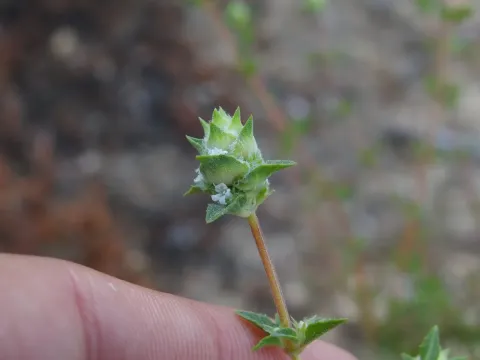
Thymus albicans
Thymus albicans
The sowing of Thymus albicans is typically carried out in the spring once soil temperatures reach a stable 12 to 15 degrees Celsius.
What the section contains
Thymus albicans
For optimal results, a seedling method is recommended, starting the seeds in greenhouses 45 to 60 days before transplanting into the field.
When sowing directly into the soil, seeds should be buried no deeper than 0.5 centimeters due to their small size and specific light requirements.
Proper planting spacing is crucial to ensure good airflow; it is recommended to maintain row spacing between 40 and 50 centimeters.
Constant moisture must be maintained in the top layer of the soil during the germination phase to ensure a successful seedling emergence.
Thymus albicans belongs to the Lamiaceae family and is a sun-loving plant that requires well-illuminated areas for healthy development.
The species prefers light, well-drained sandy or loamy soils with a neutral or slightly alkaline pH balance.
It exhibits high drought tolerance but is highly sensitive to waterlogging, which can lead to rapid root rot and plant death.
Moderate temperatures without extreme fluctuations are necessary for the plant to thrive and concentrate its essential oils efficiently.
Originating from Mediterranean regions, the plant is adapted to nutrient-poor soils and does not require heavy nitrogen fertilization.
Productivity typically peaks during the second and third years after planting, depending on the management of the plantation.
Harvesting should occur during full bloom to ensure the highest concentration of essential oils in the aerial parts of the plant.
Average dry biomass yields can range from 1 to 2 tonnes per hectare, depending on local environmental conditions and crop maturity.
Regular pruning of the plants after harvesting encourages side branching and higher biomass production in subsequent cycles.
The economic value of this crop is largely driven by its use in pharmaceutical, cosmetic, and food flavoring industries.
Fungal infections are the most common threats to Thymus albicans, particularly under conditions of high humidity and poor circulation.
Root rot is the most serious disease, often triggered by poor drainage and excessive watering in the root zone.
Common pests such as aphids or spider mites may affect the plants during dry spells, necessitating proactive monitoring programs.
Weeds can severely hamper growth in the early stages; therefore, consistent inter-row cultivation is essential to maintain field health.
Prevention relies on strict crop rotation and selecting planting sites with deep, well-drained soil profiles to minimize risk.
Harvesting is performed in the morning after dew has evaporated to ensure the highest quality of the harvested essential oils.
Only the upper green stems and flowering tops should be cut, leaving the woody base of the plant intact for regeneration.
The harvested material must be dried immediately in a shaded, well-ventilated area at temperatures not exceeding 40 degrees Celsius.
Direct exposure to sunlight should be avoided during the drying process to prevent the degradation of volatile aromatic compounds.
Once dried, the product should be stored in moisture-proof and light-proof containers to maintain its pharmacological and culinary properties.