
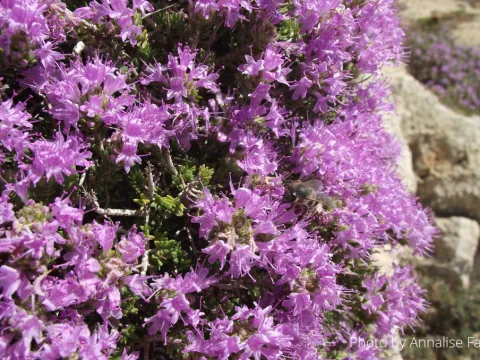
Thymbra
Thymbra
Sowing Thymbra seeds in temperate climates is typically conducted in spring, once the soil has warmed to 12–15 degrees Celsius. Ensuring a stable temperature is crucial for uniform germination, as seeds of this species are known for slow emergence in cooler conditions.
What the section contains


Thymbra
For industrial production, the seedling method is preferred as it allows for sturdier plant establishment before transplanting to the field. Seedling preparation usually begins 6–8 weeks before the planned planting date in open ground.
For direct sowing, it is recommended to use light, well-draining substrates. Seed covering should not exceed 0.5–1 cm, as small Thymbra seeds require sufficient light access for successful germination.
After emergence, thinning is necessary to maintain a spacing of 20–30 cm between plants. This spacing ensures adequate access to nutrients and helps prevent the development of fungal diseases caused by excessive crowding.
In southern regions with mild winters, autumn sowing is also practiced. This allows the seeds to undergo natural stratification in the soil, resulting in earlier and more robust growth in the following spring.
Thymbra is a perennial subshrub belonging to the Lamiaceae family, naturally found in arid regions of the Mediterranean and the Middle East. The plant is highly demanding of sunlight and does not tolerate even short-term shading.
Regarding soil conditions, the crop has specific requirements: it prefers rocky, sandy, or sandy-loam soils with excellent drainage. Thymbra strictly cannot tolerate waterlogging, which quickly leads to the rotting of the root system.
The optimal soil pH range for Thymbra cultivation is from neutral to slightly alkaline. High air humidity negatively affects the accumulation of essential oils within the leaves and flowers of the plant.
The crop is highly drought-tolerant and can withstand long dry spells due to its deep taproot system. Under conditions of excessive moisture, the plant loses its aromatic intensity and becomes susceptible to various pathogens.
During winter, the plant is sensitive to severe frost combined with high humidity; therefore, in regions with harsh winters, it requires reliable cover or cultivation in greenhouses with a controlled microclimate.
The yield of Thymbra depends on the quality of management, the age of the plantation, and the specific seasonal climate. In industrial contexts, the main product is the above-ground biomass, which is rich in essential oils that peak during the active flowering phase.
The highest concentration of active compounds is observed in the second and third years after planting, when the bushes reach their full development. Sustainable production requires periodic rejuvenation of plantings through division or replanting.
Average biomass yield fluctuates significantly depending on the agrotechnology used. With proper irrigation and nutrient management, high volumes of raw material suitable for essential oil extraction can be achieved.
Harvesting is performed in the early morning hours after dew has evaporated to maximize the retention of volatile compounds. Thymbra essential oil is known for its high carvacrol content, making it a valuable resource for the pharmaceutical and cosmetic industries.
The application of modern precision irrigation and micronutrient fertilization helps improve not only total biomass yield but also the quality of the extract, which directly affects the economic profitability of the plantation.
Thymbra is generally resistant to most pests due to high levels of terpenoids in its tissues; however, under adverse conditions, it may suffer from root rot. The primary cause is poor irrigation management and inadequate drainage.
Among insect pests, spider mites are occasionally observed during excessively hot and dry summers in greenhouse conditions. Biological control measures that do not affect essential oil composition are recommended for management.
In regions with frequent rainfall, the plant often suffers from powdery mildew, manifesting as a white coating on the leaves. Prevention relies on ensuring good air circulation between plants and removing affected areas.
Weeds are serious competitors for young Thymbra seedlings, requiring careful weeding during the initial vegetation phase. Mulching with gravel or sand helps suppress weed growth effectively.
Pest and disease outbreaks are usually indicators of improper agrotechnical practices. Implementing crop rotation and avoiding excessive nitrogen fertilizer applications are key factors in maintaining the health of this crop.
Harvesting is primarily carried out at the beginning of the mass flowering phase. During this period, the plant reaches its maximum biological activity and accumulation of valuable compounds, which is critical for final product quality.
The upper parts of the shoots are cut at a height of about 10–15 cm from the soil surface to ensure rapid regeneration of new growth. Mechanization is possible using specialized segment mowers adjusted to the required height.
Cut material should be immediately transported for drying or processing. Drying is conducted in shaded, well-ventilated areas at temperatures not exceeding 35–40 degrees Celsius to prevent the loss of aromatic compounds.
Dried material is stored in tightly sealed containers protected from direct sunlight and moisture. This maintains the quality of the raw material for extended periods until processing occurs.
The number of cuts per season depends on the climatic zone. In warmer climates with proper irrigation, a second, less intense cut is possible by the end of the season, allowing for maximum efficient utilization of the perennial plant's potential.