
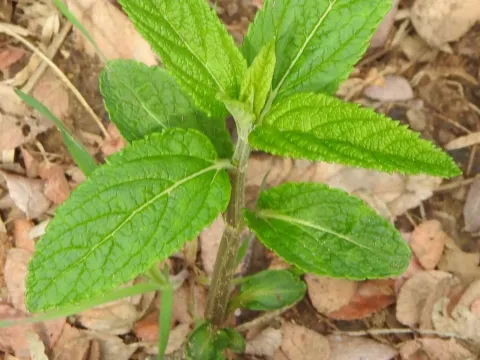
American Germander
Teucrium canadense
American Germander (Teucrium canadense) is a perennial herbaceous plant belonging to the Lamiaceae family. It typically features square stems and reaches heights of 30 to 90 centimeters, forming dense, upright clusters that are well-suited for controlled cultivation.
What the section contains
American Germander
Native to North America, the plant is naturally found in moist meadows, river floodplains, and open woodland borders. It has evolved to be quite versatile, thriving in a variety of soil types ranging from moist loams to slightly acidic clay soils, provided there is adequate drainage.
The botanical characteristics of this species include serrated, lance-shaped leaves and terminal, spike-like inflorescences. The flowers are generally pink to lavender in color and provide an excellent source of nectar for bees and butterflies, making the plant a beneficial addition to biodiversity-focused farms.
In terms of climate, Teucrium canadense is highly resilient. It tolerates partial shade but prefers sunny conditions for optimal essential oil production. It is hardy in temperate zones, provided it receives sufficient moisture throughout the growing season.
Agrotechnical management focuses on soil preparation and irrigation. Given its preference for moist environments, consistent watering during dry spells is crucial. Proper spacing between rows is also necessary to maintain the plant's health and vigor throughout its life cycle.
The primary threats to American Germander crops include fungal diseases such as powdery mildew and root rot. These conditions are typically exacerbated by poor air circulation and excessive soil moisture, which are common issues in high-density planting environments.
Insect pests, including aphids and spider mites, can also cause significant damage by feeding on the leaves and stems. These pests often appear during the peak of summer when the plant is under the most stress from temperature fluctuations.
Integrated Pest Management (IPM) practices are highly recommended. This includes the use of beneficial insects, such as ladybugs or lacewings, to keep aphid populations in check without relying on harsh chemical pesticides that could impact the quality of the harvested herb.
Good sanitation practices, such as the removal of debris and dead plant matter at the end of the season, are essential for preventing the carry-over of pathogens. Monitoring the plantation for early signs of leaf discoloration or wilting is key to successful disease mitigation.
Spacing plants correctly is another important preventive measure. By ensuring adequate airflow, the humidity levels around the foliage remain balanced, drastically reducing the likelihood of fungal outbreaks.
Harvesting Teucrium canadense is best performed during the peak blooming period when the concentration of aromatic compounds and medicinal active ingredients is at its highest level of maturity.
Workers should cut the top 20 to 30 centimeters of the flowering stems. Harvesting is ideally done in the early morning, once the dew has evaporated but before the heat of the day causes the essential oils to volatilize, ensuring the highest product quality.
Post-harvest handling requires immediate cooling or processing. The fresh biomass should be kept out of direct sunlight and placed in airy, shaded areas or drying racks as soon as possible to prevent degradation and unwanted microbial growth.
Drying is typically accomplished in climate-controlled environments or well-ventilated barns at temperatures not exceeding 40 degrees Celsius. Excessive heat during the drying process will lead to the loss of the volatile oils that give the plant its characteristic aroma.
Once dried to a moisture content of less than 10%, the product should be stored in opaque, airtight containers. This protects the herb from light exposure and humidity, allowing it to maintain its therapeutic and aromatic potency for up to two years.