
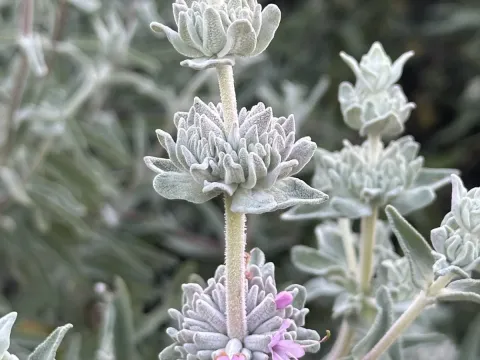
White sage (Salvia leucophylla)
Salvia leucophylla
Sowing white sage is typically carried out using seeds in a controlled greenhouse environment during late winter or early spring to ensure high-quality seedlings. When direct seeding in open ground, it is essential to wait until the soil has warmed up, as the seeds require consistent warmth to germinate effectively.
What the section contains
White sage (Salvia leucophylla)
A crucial factor during sowing is ensuring excellent drainage, as the seeds are highly prone to rot if the substrate remains overly saturated with water. The planting depth should be minimal, approximately 0.5 cm, as sage seeds require a specific amount of light to trigger germination.
In commercial cultivation, the seedling method is preferred as it produces uniform stands and reduces the overall vegetation period in the field. Seedlings should be transplanted to their permanent location only after the threat of spring frosts has completely passed.
The optimal planting density considers the wide, sprawling growth habit of the bush, with a recommended interval of at least 60–80 cm between individual plants. This spacing is vital for adequate airflow and prevents the onset of fungal diseases.
Once transplanted, young plants require regular irrigation until their root systems are fully established. Once mature, the culture is exceptionally drought-tolerant and requires minimal intervention or additional watering.
White sage belongs to the Lamiaceae family and is a characteristic species of the Mediterranean-type vegetation. Originating from the coastal regions of California, the plant has specific requirements for intense direct sunlight to thrive and maintain its aromatic oils.
The culture performs best in well-drained, rocky, or sandy soils with relatively low nutrient content. Waterlogging in the root zone is fatal to this species; therefore, heavy clay soils must be heavily amended or installed with drainage systems prior to planting.
The plant exhibits high resistance to drought, making it a viable agricultural candidate for regions characterized by long, hot, and dry summers. It successfully withstands direct solar radiation and high temperatures without suffering significant loss of biomass.
During the winter, white sage can tolerate minor frosts, but excessive moisture combined with cold temperatures can cause root decay. Therefore, selecting a site with proper slope and drainage is essential to prevent the accumulation of meltwater during the winter months.
To maintain structural integrity and productivity, bushes require moderate pruning after the flowering phase. This practice stimulates the development of new shoots and prevents the lower woody stems from becoming too sparse, which extends the plant's productive life.
The primary threat to white sage in environments with high humidity or poor drainage is root rot, caused by various pathogenic fungi. Once the root system is infected, the plant typically declines rapidly and is difficult to recover.
In dense plantings or areas with poor air circulation, powdery mildew may develop. This disease manifests as a white, powdery fungal layer on the leaves, which significantly impacts the quality of the harvested material and the plant's aesthetic value.
Common pests include spider mites and aphids, which feed on the sap of young shoots and foliage. Using integrated pest management or environmentally friendly insecticides is an effective way to keep these insect populations below the damage threshold.
Slugs can also cause significant damage during the early establishment phase of young seedlings. Maintaining clean rows and removing weeds helps to minimize pest shelters and promotes a healthier environment for the sage crop.
To mitigate the risk of major diseases, the most important agronomic practice is the careful selection of an planting site with excellent aeration and drainage. Healthy plants with enough growing space are significantly more resistant to infections and environmental stress.