
Wild basil
Clinopodium vulgare
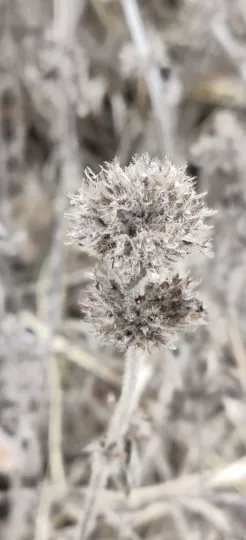
Description
Sowing dates
Wild basil (Clinopodium vulgare) is a perennial herbaceous plant belonging to the Lamiaceae family. For commercial cultivation, seeds are typically sown in early spring once the soil temperature consistently reaches 8–10 degrees Celsius, allowing for optimal germination.
The recommended row spacing for this crop is between 45 and 60 centimeters, which ensures sufficient airflow and reduces the risk of fungal diseases within the plantation. Seeds should be planted shallowly, at a depth of 1–2 centimeters, as they require light to germinate effectively.
For improved seedling emergence, seeds can be stratified under cold conditions or soaked in organic growth stimulants before sowing. Germination usually occurs within 14 to 21 days, requiring a stable, moist soil environment during this critical initial phase.
During the first year, the plant focuses on establishing its root system and developing a low basal rosette. It is essential to keep the rows free of weeds during this period, as wild basil develops slowly in its early stages and does not compete well with aggressive weeds.
Choosing high-quality, certified seeds is paramount for uniform growth and high production standards. The sowing density should be managed to balance the plant's need for space with the goal of maximizing the overall biomass yield per hectare.
Growing requirements
Wild basil thrives in sunny locations with well-drained soil, as shade and waterlogging are detrimental to both its growth and the development of its volatile oil content. It is a resilient plant capable of adapting to various soil types, including sandy loams and neutral clays.
Proper soil preparation involves incorporating organic matter such as compost or well-rotted manure during the autumn prior to planting. While the crop does not require heavy fertilization, a balanced application of nutrients supports sustained biomass production over several years.
The plant is known for its cold hardiness, making it suitable for regions with harsh winter climates. It remains dormant through the winter and regrows vigorously in the spring, allowing for reliable multi-year production cycles without the need for annual replanting.
Water management is crucial during the budding and early flowering stages. While the plant can tolerate short periods of drought, supplemental irrigation significantly enhances the yield and quality of the medicinal raw material during dry summer months.
Proper aeration of the soil is necessary to prevent root rot. If the soil is heavy, adding sand or organic amendments can improve drainage and structural stability, creating an ideal environment for long-term cultivation.
Yield
The primary economic use of wild basil is the harvesting of its aerial parts during the peak flowering stage. This timing is critical, as it ensures the highest concentration of essential oils, flavonoids, and other biologically active compounds necessary for pharmaceutical use.
When managed with proper agrotechnical methods, the yield can reach 15–25 decitonnes of dried herbal material per hectare. This productivity makes wild basil a profitable secondary crop for farms focusing on aromatic and medicinal herbs.
Beyond its medicinal value, wild basil is an excellent honey plant. Beekeepers often prize fields of this herb for the high-quality, aromatic honey that bees produce from its nectar during the blooming season.
The demand for natural plant-based ingredients in the cosmetic industry provides an additional market for the harvest. Its essential oils are valued for their soothing properties, which are used in various skin care and aromatherapy products.
If climatic conditions are favorable, a second harvest may be possible towards the end of the season. This secondary crop is typically less dense but remains useful for various industrial extracts or aromatic distillations.
Main diseases and pests
Fungal infections, particularly root rot, are the most significant threats to wild basil crops. These usually occur in stagnant, waterlogged environments, reinforcing the need for well-drained fields and correct irrigation management.
Pests like aphids can occasionally infest plants during warm, dry spells, feeding on the tender young shoots. Integrating biological control agents, such as beneficial predatory insects, helps manage pest populations without the need for harsh synthetic chemicals.
Powdery mildew can affect the foliage in conditions with high humidity and poor circulation. Pruning and thinning the plants ensures adequate air movement, which significantly reduces the likelihood of mildew outbreaks.
Spider mites are another potential pest, especially in extreme drought. Maintaining proper soil moisture and keeping the plantation clean of invasive weeds help protect the plant's vigor and resistance against such infestations.
Overall, wild basil is a fairly robust species. By prioritizing good agricultural practices, such as crop rotation and spacing, farmers can keep the need for pesticides to a minimum, ensuring an eco-friendly product.
Harvesting
Harvesting is performed during the full bloom phase, ideally in the morning after the dew has evaporated. This timing maximizes the concentration of volatile oils and prevents moisture-related spoilage during the initial drying stages.
Mechanical harvesting using specialized mowers is the most efficient method for large fields. The stems should be cut 10–15 centimeters above the ground to protect the base of the plant, ensuring rapid regrowth for subsequent years.
Prompt processing after harvest is essential; the plant material should be moved immediately to drying facilities to prevent heating and fermentation in piles, which would degrade the quality of the herbs.
Drying is best accomplished in shaded, well-ventilated areas or specialized ovens at a controlled temperature not exceeding 40 degrees Celsius. This preserves the delicate chemical composition that gives the herb its value.
Once dried to the correct moisture level, the material is cleaned of debris and packaged in airtight containers. Proper storage in cool, dark environments prevents the oxidation of essential oils, maintaining the herb's potency until processing.