
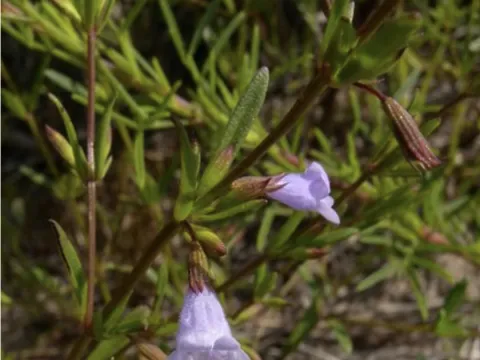
Wild basil
Clinopodium hybrids
The sowing of Clinopodium vulgare, commonly known as wild basil, is best performed in early spring as soon as soil temperatures reach a consistent 12-15 degrees Celsius. The seeds require a well-prepared, fine-textured seedbed to ensure successful germination.
What the section contains
Wild basil
Seeds should be sown at a shallow depth of approximately 0.5 to 1 centimeter. Since the seeds are quite small, surface moisture must be carefully managed to prevent them from drying out before they establish root systems.
For better control over plant population and uniformity, growers often utilize a nursery stage or seedling trays. Transplants are moved to the field after the danger of late spring frost has completely passed, typically in late May.
Field spacing is critical for optimal aromatic oil production. Recommended row spacing is between 45 and 60 centimeters, which provides sufficient room for mechanical or manual weeding and ensures good airflow between individual plants.
Early-stage growth is relatively slow, making the crop highly susceptible to weed competition during the first four to six weeks. Frequent cultivation between rows is recommended until the canopy closes to minimize the need for manual weeding.
Clinopodium vulgare is a hardy perennial belonging to the Lamiaceae family. It thrives in temperate regions and is well-adapted to a variety of soil types, preferring light, well-draining loams with a neutral to slightly acidic pH level.
Sun exposure is a major factor in determining the quality of the essential oils. While the plant can tolerate partial shade, full sun promotes denser foliage and a higher concentration of beneficial phytochemicals within the leaves and stems.
Water requirements for wild basil are moderate. While the plant is drought-tolerant once established due to its extensive root structure, supplemental irrigation during the flowering phase can significantly improve biomass yield.
Soil drainage is perhaps the most critical requirement. Sites prone to waterlogging or high water tables should be avoided, as the root system of Clinopodium is sensitive to prolonged saturated conditions which lead to rot.
Fertilization should be balanced, focusing on moderate phosphorus and potassium application to support flower production. Excessive nitrogen should be avoided, as it encourages leaf growth at the expense of aromatic oil development.
Typical yields for wild basil range from 1.5 to 2.5 tonnes of dried biomass per hectare. These results depend heavily on the maturity of the plants, with peak yields usually achieved in the third and fourth years of a planting cycle.
The concentration of essential oils is highly dependent on harvest timing. Research indicates that harvesting during the stage of peak bloom provides the highest volume of high-quality volatile compounds required for commercial pharmaceutical and cosmetic use.
A well-managed wild basil plantation can remain productive for up to five years. After this time, plants often become overly woody, and the regeneration of new growth slows, signaling the need for field renovation.
Yields can be enhanced by implementing standardized pruning practices. Removing old flower stalks encourages lateral growth and maintains the plant in a vegetative state longer, which is beneficial for certain harvesting protocols.
Total yield efficiency is also tied to post-harvest handling. Minimizing the time between field harvesting and the drying facility is crucial to prevent the loss of volatile essential oils and to maintain the purity of the end product.
Powdery mildew is the most common fungal issue for Clinopodium vulgare, especially in regions with high humidity. Ensuring adequate spacing between plants to facilitate air movement is the best preventative strategy.
Root rot, particularly when triggered by Pythium or Phytophthora species, is a significant threat in poorly drained soils. Improving soil structure through the addition of organic matter and proper drainage design is essential.
Aphids and spider mites are the primary pests encountered during the growing season. In warm, dry weather, these insects can multiply quickly and damage foliage, necessitating early monitoring and the use of integrated pest management.
Biological controls, such as beneficial predatory insects, are preferred over synthetic pesticides, especially when the crop is intended for medicinal applications where chemical residues are strictly restricted.
Crop rotation is mandatory to prevent the build-up of soil-borne pathogens. A minimum of three to four years should pass before returning members of the Lamiaceae family to the same plot of land.
Harvesting is performed during the peak flowering phase using sickle bars or manual cutting. The plants are cut 10 to 15 centimeters above the soil line, which allows for rapid recovery and regrowth for subsequent cuts.
After cutting, the biomass must be handled gently to prevent bruising. Excessive heat or mechanical stress at this stage can cause the essential oils to evaporate, significantly lowering the economic value of the harvest.
Drying must take place in a shaded, well-ventilated structure. Temperatures should be kept below 40 degrees Celsius to ensure that the sensitive aromatic compounds are not degraded during the moisture removal process.
The drying process is considered complete when the stems exhibit a distinct "snap" rather than bending. This moisture content level is critical for stable storage and preventing mold growth during long-term holding.
Post-drying, the material should be cleaned of stems or debris and packaged in breathable, light-proof containers. Proper storage maintains the herb’s potency and aroma, which are the primary quality indicators for industry buyers.