
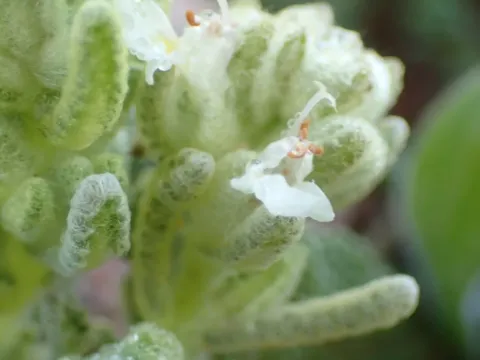
Teucrium gnaphalodes
Teucrium gnaphalodes
Teucrium gnaphalodes is a perennial herbaceous plant belonging to the Lamiaceae family. It is recognized for its xerophytic nature, meaning it has adapted to survive in dry, arid environments, making it a potentially valuable crop for regions with water scarcity.
What the section contains
Teucrium gnaphalodes
Botanically, the plant is distinguished by its dense, silver-white indumentum covering the leaves and stems. This physical feature is a critical adaptation that reflects sunlight and reduces water loss, allowing the plant to thrive in high-heat and low-moisture conditions.
The cultivation of Teucrium gnaphalodes requires extremely well-drained soil. It is highly intolerant of waterlogged conditions, which can lead to rapid root decay. Rocky, sandy, or gravelly soils mimic its natural habitat and are ideal for commercial production.
Full sun exposure is mandatory for this species. Insufficient light levels will lead to etiolated growth, reduced essential oil production, and a significant decrease in the overall vigor and secondary metabolite content of the harvestable material.
In terms of temperature, the plant prefers warm, stable conditions. It displays excellent heat tolerance, but successful establishment of the crop is best achieved during temperate spring weather that allows roots to develop before the intensity of the mid-summer heat sets in.
The primary agronomic threat to Teucrium gnaphalodes is fungal pathogen infestation, particularly root and crown rots. These are almost exclusively linked to poor drainage or overly humid climatic conditions that promote moisture retention around the base of the plant.
Sucking insects, such as aphids and spider mites, are the most frequent pests. These insects proliferate during periods of intense heat and drought, and if left unchecked, they can cause yellowing, leaf drop, and overall stunting of the crop.
Powdery mildew is a potential risk in dense plantings where air circulation is restricted. Maintaining proper plant spacing is essential to ensure adequate airflow, which keeps the humidity levels around the foliage at a minimum and prevents fungal spore germination.
Weed management is a significant challenge during the initial phases of growth. Because the species can be slow to establish, it is easily outcompeted by aggressive weeds, necessitating mechanical weeding or mulching during the first growing season.
To maintain crop health, it is recommended to avoid planting in fields previously occupied by other Lamiaceae members to prevent the buildup of species-specific soil pathogens that could compromise the long-term productivity of the stand.