
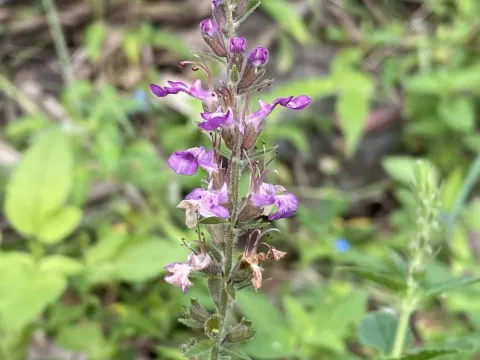
Teucrium argutum
Teucrium argutum
Teucrium argutum, commonly known as a type of germander, belongs to the Lamiaceae family. It is a perennial herbaceous plant recognized for its distinct serrated leaves and hardy growth habit.
What the section contains
Teucrium argutum
The plant originates from Mediterranean regions, favoring open, sunny landscapes with well-drained, porous soil structures that prevent water accumulation.
It thrives in neutral to slightly alkaline soil conditions. Poor drainage or heavy clay soils with high moisture retention are detrimental to the root health of this species.
This crop is highly drought-tolerant once established but requires consistent moisture during its initial growth phases to ensure robust development of its biomass.
Exposure to direct sunlight is essential for the production of essential oils. In temperate zones, winter protection is advised to mitigate damage from hard frosts.
Sowing should take place in early spring after the risk of ground frost has passed, ensuring soil temperatures are conducive to germination.
Seeds require minimal coverage with soil, as they are sensitive to light and depth, typically requiring a shallow planting of about 0.5 centimeters.
Propagation through cuttings is a preferred method for commercial growers, as it ensures genetic uniformity and faster establishment compared to seed.
Row spacing should be maintained at 40-50 centimeters to facilitate mechanical weed control and promote better airflow between individual plants.
Initial watering must be gentle to prevent seed displacement, followed by regular irrigation until the young plants have developed a strong root system.
The yield of Teucrium argutum is measured by the volume of dry herb material produced per hectare, which varies based on climate and soil fertility.
Well-managed fields can produce significant amounts of secondary metabolites, which are highly valued in the pharmaceutical and cosmetic industries.
Optimal plant density significantly impacts the final yield, with higher densities sometimes leading to increased humidity and susceptibility to diseases.
Productivity typically peaks during the second and third growing seasons, provided that the plants receive adequate nutrition and care.
Harvested crops are primarily utilized for the extraction of volatile oils and as a base for various natural antiseptic preparations.
The primary threat to Teucrium argutum is root rot, which typically develops in waterlogged soils during periods of excessive rainfall.
Pests like aphids and spider mites can infest the foliage, particularly during the hot, dry summer months, significantly reducing plant vigor.
Fungal infections, such as powdery mildew, often arise in crowded or poorly ventilated plantings, necessitating regular thinning of the crop.
Integrated pest management strategies are recommended to keep insect populations in check without relying heavily on chemical pesticides.
Weed competition during the seedling stage is critical; mechanical weeding or mulching is required to prevent resource depletion by invasive grasses.
Harvesting should be timed to coincide with the peak flowering phase, as this is when the concentration of essential oils is highest in the foliage.
Stems should be cut approximately 15 centimeters above the ground to promote secondary regrowth for subsequent harvests within the same year.
Post-harvest processing involves rapid drying in shaded, well-ventilated structures to prevent the loss of active compounds through oxidation.
Dried leaves should be carefully separated from the stems and stored in airtight containers to maintain their aroma and medicinal potency.
Timing the harvest for the early morning, once dew has evaporated, ensures the highest possible quality of the raw herbal material.