
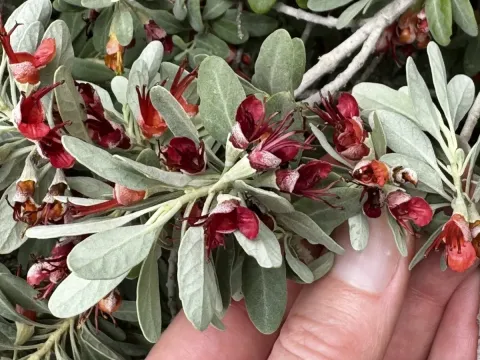
Teucrium heterophyllum
Teucrium heterophyllum
Teucrium heterophyllum is a distinctive evergreen shrub belonging to the Lamiaceae family. Native to the Canary Islands, it is highly valued for its aromatic foliage and its ability to maintain a dense, compact habit in suitable environmental conditions.
What the section contains
Teucrium heterophyllum
This species is well-adapted to Mediterranean-type climates, requiring significant warmth and protection from frost. In non-temperate regions, it is primarily grown as a container plant or in specialized greenhouses to survive the winter months.
The plant thrives in well-draining, slightly alkaline, and sandy soil types. Waterlogging must be strictly avoided, as the root system is highly susceptible to rot, which remains a primary concern for long-term cultivation.
Sunlight requirements are quite high for this species. To achieve optimal density and color, the plant should be placed in a location with full, direct sunlight. Insufficient light exposure often leads to etiolated, weak stems and a loss of vigor.
Routine maintenance includes systematic pruning to encourage side branching and maintain the desired ornamental shape. Light, balanced fertilization during the active growing season helps sustain leaf health and promotes continuous growth.
Root rot is the most significant disease threat to Teucrium heterophyllum, typically caused by poor soil drainage or overwatering. Maintaining a proper irrigation schedule is essential to ensure the longevity of the plant in a greenhouse setting.
Spider mites represent a major pest risk, particularly when the indoor or greenhouse environment becomes excessively dry. Periodic misting and checking the underside of leaves are recommended for early detection and mitigation.
Aphids can occasionally infest the soft, new growth of the plant in the spring, draining nutrients and stunting development. Early intervention with insecticidal soaps is usually sufficient to handle minor aphid outbreaks.
Powdery mildew may occur if there is inadequate airflow around the shrub, especially during seasons with fluctuating humidity levels. Improving ventilation is the most effective cultural method to prevent this condition.
Preventative measures, such as providing adequate spacing between plants and using sterile growing media, significantly reduce the incidence of both pests and fungal diseases in a commercial or home setting.