
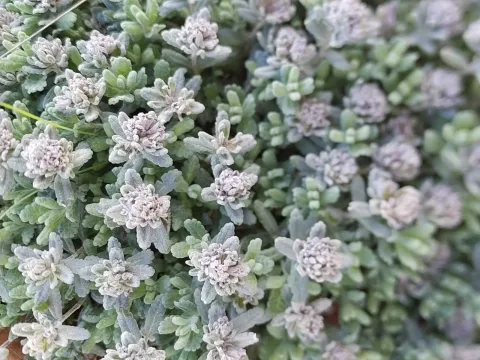
Teucrium polium
Teucrium polium
Sowing Teucrium polium requires careful preparation as the seeds are small and require specific conditions for germination. The ideal time for planting is early spring, once the risk of heavy frost has passed and the soil begins to warm up.
What the section contains
Teucrium polium
For large-scale cultivation, seeds should be sown in rows spaced 40–50 cm apart. A shallow sowing depth of 0.5 to 1 cm is crucial to ensure that seeds receive enough light to trigger germination while remaining protected from drying out.
Greenhouse seedling production is often more reliable than direct sowing. Starting seeds in trays allows for better control over humidity and temperature, leading to stronger plants that can be transplanted once they have developed 4–6 true leaves.
Proper spacing is vital for the health of the crop. Overcrowding can lead to poor air circulation, which is a major precursor for fungal infections in this species. Ensure that each plant has sufficient space to grow its bushy, low-lying habit.
The germination period can be slow, sometimes taking several weeks depending on the temperature. Patience and consistent, light watering are essential during the initial establishment phase of the field.
Teucrium polium, belonging to the Lamiaceae family, is naturally adapted to arid and rocky environments. It thrives in well-drained, sandy, or rocky soils that prevent water from accumulating around the root system.
The species has a high tolerance for drought and excessive heat, making it an excellent candidate for regions with harsh, dry summers. It requires full exposure to sunlight to develop its aromatic and medicinal properties effectively.
Soil pH should ideally be neutral or slightly alkaline. The plant does not perform well in acidic, heavy clay soils that hold moisture for too long, as these conditions significantly increase the risk of root diseases.
Nutritional needs are relatively low compared to high-intensity crops. Excessive fertilization, especially with nitrogen, should be avoided as it leads to rank, leafy growth and reduces the concentration of volatile essential oils.
In terms of climate, the plant is hardy and adapted to Mediterranean-like conditions. It can withstand significant temperature fluctuations, provided the site has excellent drainage and is not subject to prolonged waterlogging.
The primary threats to Teucrium polium are largely related to moisture management. Root rot is the most common disease, caused by pathogens like Phytophthora or Pythium thriving in waterlogged or compacted soil conditions.
Powdery mildew can occur during periods of high humidity or if the crop density is too high, preventing air from moving through the foliage. Regular monitoring and thinning are recommended to maintain plant hygiene.
Pests are generally minimal due to the plant's natural essential oil content, which acts as a deterrent. However, occasional aphid infestations can occur during the early spring growth phase if the plants are stressed.
Weed control is critical, especially during the first year of establishment. Manual or mechanical weeding between rows is necessary to prevent competitive vegetation from suppressing the growth of young Teucrium plants.
Integrated Pest Management (IPM) practices should be employed, focusing on cultural control methods such as proper irrigation and drainage rather than relying solely on chemical treatments.
Harvesting should coincide with the peak flowering stage. This is when the concentration of essential oils, flavonoids, and other therapeutic secondary metabolites is at its highest level in the aerial parts of the plant.
Using sharp cutting equipment, the top 15–20 cm of the flowering stems should be harvested. Care must be taken not to damage the woody base of the plant, ensuring that it can regenerate for subsequent seasons.
Drying must occur immediately after harvest to preserve the quality of the raw material. The cut material should be spread in thin layers in a shaded, well-ventilated area to prevent degradation of the active compounds.
Temperature during the drying process should be kept below 40 degrees Celsius. Excessive heat will cause the evaporation of valuable essential oils, which are critical for the commercial value of the crop.
Once dried to the point where the stems are brittle, the product should be stored in cool, dark, and dry conditions to maintain its aromatic profile and active medicinal components for long-term use.