
Stachys ocymastrum
Stachys ocymastrum
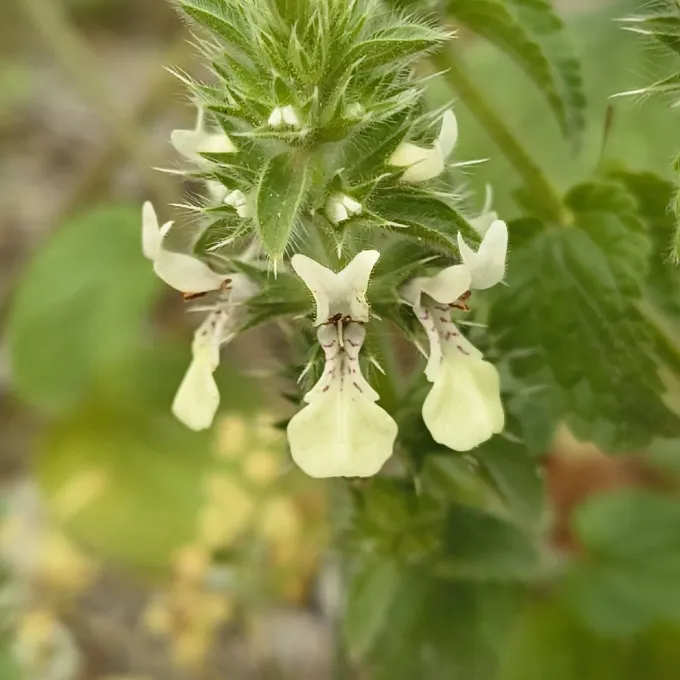
Description
Sowing dates
Stachys ocymastrum is a heat-loving annual plant, therefore, sowing should be carried out in the spring when the soil warms up to 12-15 degrees Celsius.
Optimal timing for southern regions typically falls in late March or early April, allowing the plants to maximize the use of spring soil moisture.
Seeds are sown in rows with spacing of about 45-60 centimeters to provide sufficient feeding area for each individual plant.
The sowing depth should not exceed 1-2 centimeters, as the small seed material requires good contact with moist soil for successful germination.
After emergence, it is recommended to thin out the seedlings, leaving a distance of 20-25 centimeters between plants in the row to prevent overcrowding.
Growing requirements
The crop belongs to the Lamiaceae family and demonstrates high adaptability to Mediterranean climates, preferring sunny, open locations.
The plant thrives in light, well-drained sandy loam or loamy soils with a neutral or slightly alkaline pH reaction.
Stachys ocymastrum requires moderate watering for normal growth, but it is critically sensitive to moisture stagnation in the root zone, which can lead to root rot.
During the active vegetation period, the crop requires regular weeding, as seedlings can be suppressed by more aggressive weeds in the early stages of development.
The plant tolerates short periods of drought well due to its pubescent leaves, which help retain moisture and reduce transpiration.
Yield
The economic value of the crop lies in its above-ground biomass, which is harvested during the mass flowering phase for essential oils and medicinal raw materials.
Yield of green mass heavily depends on the level of agronomy, soil fertility quality, and adherence to temperature regimes during the vegetation period.
By maintaining optimal plant density, high marketability of raw materials suitable for the processing industry can be achieved.
The yield of essential oil from dried Stachys raw material is an important economic indicator that depends on the genetic characteristics of a specific ecotype.
Maximum productivity is achieved by applying moderate doses of phosphorus-potassium fertilizers, which stimulate the synthesis of secondary metabolites.
Main diseases and pests
The main threat to Stachys is fungal diseases that develop under conditions of high air humidity and waterlogged soil.
Powdery mildew can infect the leaves of the plant, appearing as a characteristic white coating, which significantly reduces the quality of medicinal raw material.
Among pests, various species of aphids cause the most damage by sucking juices from young shoots, weakening the development of the crop.
The presence of spider mites in hot weather is also a risk factor requiring timely monitoring and the use of authorized biological agents.
To protect the crops, it is recommended to practice crop rotation, avoiding planting the crop in the same location more frequently than every 3-4 years.
Harvesting
Harvesting is carried out during the full flowering phase when the concentration of biologically active substances in the aerial parts reaches its maximum.
Mowing of the green mass is done mechanically or manually; it is important to cut the stems at a height of 10-15 centimeters from the soil surface.
After harvesting, the raw material must be subjected to rapid drying in well-ventilated rooms or specialized dryers at temperatures not exceeding 40 degrees.
Proper drying allows the preservation of the characteristic aroma and chemical composition of essential oils, which is vital for use in pharmacology and cosmetics.
Storage of the finished dry raw material is conducted in paper bags or airtight containers in a dark, dry place to prevent the degradation of active components.