
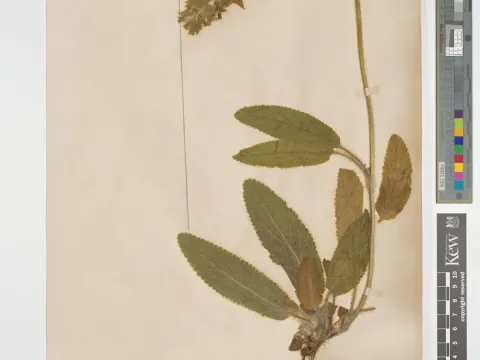
Stachys obliqua
Stachys obliqua
Stachys obliqua is a perennial herbaceous plant belonging to the Lamiaceae family. For industrial cultivation, seeds should be sown in the spring once the soil temperature consistently stays above 10 degrees Celsius.
What the section contains
Stachys obliqua
Seeds require a cold stratification process lasting at least two weeks to improve germination rates. They should be planted at a shallow depth of 1–2 centimeters in well-prepared, friable soil.
Vegetative propagation via root division is a highly effective method for this species. This is best performed in early spring or late autumn when the plant is not in its active vegetative phase.
Spacing between rows should be maintained at 45–60 centimeters to ensure adequate ventilation and access for mechanical weeding equipment. Overcrowding can lead to humidity issues.
Once planted, the field must be kept moderately moist until germination is uniform. Excessive water during the establishment phase can cause seed rot and poor crop density.
Stachys obliqua thrives in full sun exposure. While it is highly drought-tolerant once established, it requires consistent lighting to maintain its characteristic foliage density and chemical profile.
The plant prefers light, well-draining soils with a neutral to slightly alkaline pH. It struggles in heavy clay soils that retain moisture, which can cause severe root damage.
Nutrient requirements are relatively low. Over-fertilization with nitrogenous compounds should be avoided as it encourages excessive vegetative growth at the expense of medicinal quality and winter hardiness.
Regular cultivation between rows is essential for soil aeration and weed control. Keeping the ground around the plant clean reduces competition for nutrients and limits pathogen spread.
The crop is adapted to temperate climates. In regions with severe winters, it is recommended to apply a light layer of mulch to protect the root system from extreme fluctuations in temperature.
The primary concern for this crop is fungal disease, particularly powdery mildew, which develops in conditions of high humidity and poor air circulation around the plants.
Root rot is a significant risk in poorly drained soils. Providing adequate drainage during the site selection process is the most effective preventative measure against this threat.
Slugs and snails can cause damage to the soft, pubescent leaves during wet growing seasons. Integrated pest management strategies, such as physical barriers, are recommended.
Chemical control should be used sparingly, focusing on preventative treatments rather than reactive ones. Organic fungicides are often effective if applied early upon detecting initial symptoms.
Maintaining a clear perimeter around the crop area prevents the encroachment of invasive weeds that often act as secondary hosts for common agricultural pests and diseases.
The optimal harvest window occurs during the period of full bloom, as this is when the concentration of volatile oils and bioactive compounds is at its maximum peak.
Stems should be harvested using sharp, clean tools, cutting about 5–10 centimeters above the ground to allow for regeneration. Proper equipment ensures clean cuts and reduces plant stress.
Drying must be performed in shaded, well-ventilated areas to preserve the chemical integrity of the plant. High temperatures or direct sunlight can degrade the active components of the herb.
Stachys obliqua is highly valued in the herbal industry for its antiseptic properties. Beyond its medicinal utility, it is also gaining popularity in landscaping due to its unique texture.
Once dried, the product should be stored in airtight, moisture-proof containers in a cool, dark environment. Proper storage ensures the potency and shelf life of the final product.