
Stachys neurocalycina
Stachys neurocalycina
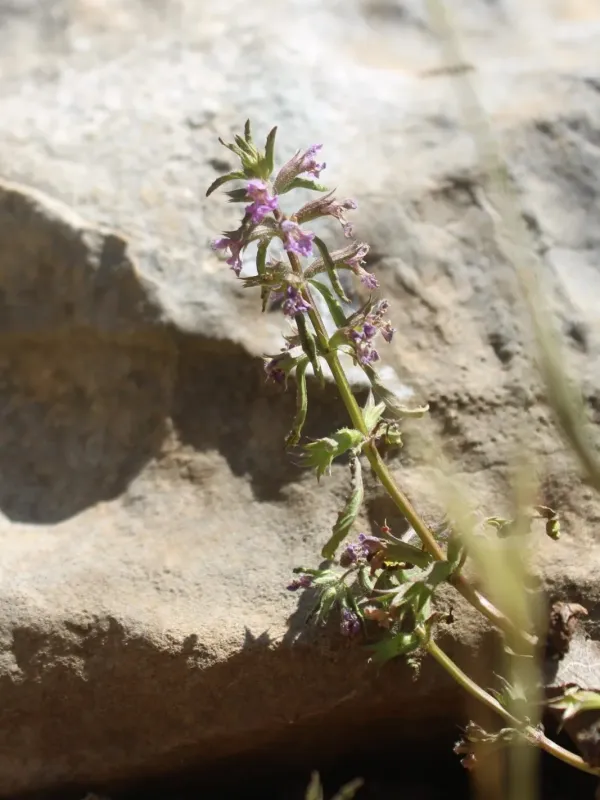
Description
Sowing dates
Stachys neurocalycina is typically sown during the spring period when the soil temperature consistently reaches 10–12 degrees Celsius.
Mid-April is considered the optimal window for establishing new plantations, ensuring plants utilize moisture from spring rains effectively.
Sowing is conducted in rows spaced 45–60 centimeters apart, providing ample space for mechanical weeding and proper air circulation.
Due to the small size of the seeds, they should be sown shallowly, ideally at a depth of 1–2 centimeters, to facilitate uniform emergence.
Winter sowing is sometimes practiced in milder climates to encourage earlier germination and improved establishment of the crop before summer heat.
Growing requirements
As a member of the Lamiaceae family, this crop thrives in well-drained, fertile soils with a neutral or slightly alkaline pH balance.
The plant is highly photophilous and requires full sun exposure, making open fields ideal for achieving high aromatic compound yields.
While the plant shows moderate drought tolerance, adequate moisture is critical during the active vegetative stage for healthy biomass development.
Climate preferences focus on moderate temperatures, avoiding regions with excessive humidity, which may lead to fungal issues and root rot.
Proper field selection is vital to avoid heavy clay soils that impede root development and promote water stagnation during the growing season.
Yield
The economic potential of Stachys neurocalycina is driven by its high concentration of essential oils used in pharmaceuticals and cosmetics.
The highest biomass yields are typically observed in the second year of growth, once the plant has established a robust root system.
Depending on cultivation intensity and soil fertility, yields of dried raw material can reach between 1.5 and 3 tons per hectare.
The final product quality is highly dependent on precise timing during the harvest phase to capture peak concentrations of secondary metabolites.
Efficient crop management, including regular fertilization and weed control, is essential for maintaining consistent productivity across several years.
Main diseases and pests
Fungal diseases like fusarium are the primary threat, especially in sites with poor drainage or during seasons with excessive rainfall.
Pests such as aphids and leaf beetles can cause significant damage to tender foliage during the spring growing season, reducing overall plant vigor.
Integrated pest management strategies are recommended, including the use of targeted fungicides and mechanical removal of infected plants.
Crop rotation is a fundamental preventive measure, as it disrupts the life cycles of pathogens and pests accumulated in the soil from previous seasons.
Biological controls, such as beneficial insects, can effectively reduce pest pressure while maintaining the ecological integrity of the harvest.
Harvesting
Harvesting should be timed to coincide with the peak flowering period, as this is when the content of active essential oils is at its maximum.
Stems are mowed at a height of 10–15 centimeters above ground level to promote rapid regrowth and ensure the longevity of the plant population.
Post-harvest processing involves immediate drying in well-ventilated, shaded areas or industrial dryers at 35–40 degrees Celsius to prevent degradation.
Delaying the harvest phase can lead to a significant loss of active components and cause the stems to become woody and less desirable for processing.
Careful storage in cool, dry conditions is required to maintain the aromatic profile and pharmacological potency of the dried plant material.