
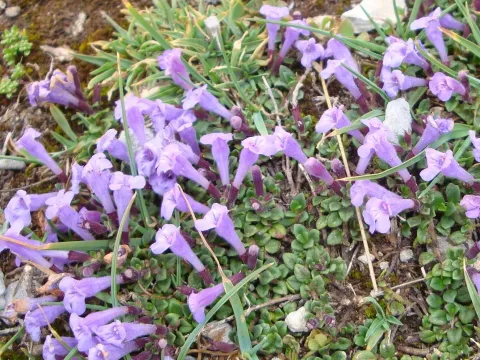
Stachys leucoglossa
Stachys leucoglossa
Stachys leucoglossa is a perennial herbaceous plant belonging to the Lamiaceae family, known for its specific ecological adaptation to mountainous rocky habitats.
What the section contains
Stachys leucoglossa
Sowing should ideally occur in early spring or late autumn, providing the seeds with the necessary period of stratification to break dormancy and ensure high germination rates.
The seeds require light for optimal germination, so they should be sown at a shallow depth, covered only lightly with a fine layer of substrate or coarse sand.
Maintain consistent soil moisture throughout the germination period, as drying out at this stage can result in a significant failure of the crop establishment.
Ensuring proper spacing between rows is critical, as overcrowding leads to poor air circulation, which can be detrimental to the health of these sensitive plants.
This crop thrives in well-drained, sandy, or rocky soils with neutral to slightly alkaline pH levels, reflecting its natural habitat conditions.
Full sun exposure is essential for the healthy development of Stachys leucoglossa, as shaded locations often result in stunted growth and low oil content.
The plant demonstrates remarkable tolerance to drought once established, thanks to its pubescent leaves that minimize water loss through evapotranspiration.
Adequate soil aeration is paramount, as the roots are highly susceptible to rot when subjected to prolonged saturation or poorly drained heavy clay soils.
Temperature fluctuations are generally tolerated well, though protecting the crop from extreme winter freezing with light mulching can improve overwintering success.
Commercial yields of the dry biomass are highly dependent on the plant reaching its full maturity, typically starting from the second year of cultivation.
Consistent annual productivity is maintained through regular weeding and minimal, yet balanced, fertilization to support the mineral requirements of the plant.
Yield quality is determined by the timing of the harvest relative to the flowering cycle, as this affects the accumulation of secondary metabolites.
Optimizing plant density allows for higher harvests per hectare, provided that irrigation and drainage systems are managed with high precision.
Effective post-harvest handling, including rapid moisture removal and controlled drying temperatures, directly impacts the market value of the crop.
Root and crown rot are the most significant threats to Stachys leucoglossa, especially in regions with high rainfall or improper field leveling.
Pests such as aphids and spider mites can attack during the warmer months, necessitating careful monitoring and integrated pest management strategies.
Fungal diseases like powdery mildew may appear in clusters of plants with poor ventilation, requiring immediate attention and thinning of the canopy.
Preventative measures should focus on crop rotation and ensuring that no stagnant water remains near the base of the plant during the dormant period.
- Regular field scouting for early pest infestation signs.
- Using drip irrigation to prevent moisture from staying on foliage.
- Removing debris from the previous season to decrease fungal spore loads.
The harvest period is strictly limited to the peak flowering stage, ensuring the plant tissue is at its maximum biochemical potency.
Mechanical or manual cutting should be performed during mid-day once the morning dew has fully evaporated to prevent fermentation during storage.
Special care must be taken to cut at the appropriate height to facilitate quick regrowth of the plant in the subsequent growth cycle.
The harvested plant material should be kept in well-ventilated boxes and transported quickly to the drying facility to prevent quality degradation.
Drying must be conducted in dark, airy rooms to preserve the structural integrity and the aromatic compounds that define the value of the raw material.