
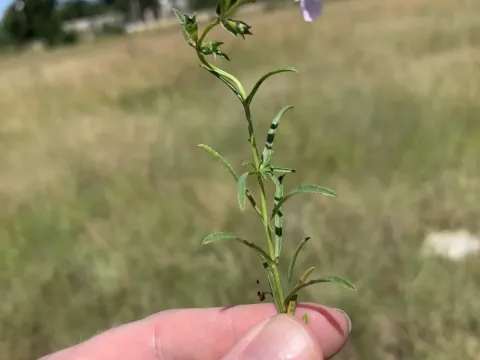
Stachys hyssopoides
Stachys hyssopoides
Stachys hyssopoides is a perennial herbaceous plant belonging to the Lamiaceae family. It is recognized for its adaptation to arid and semi-arid environments, demonstrating high resilience to extreme heat and prolonged moisture deficit.
What the section contains
Stachys hyssopoides
The botanical structure of the plant features erect, often branched stems with narrow, linear leaves that resemble the foliage of hyssop. It is primarily a heliophilous species, requiring abundant sunlight to reach its peak development and oil production.
Regarding soil requirements, the plant prefers well-drained, sandy, or rocky soils with neutral to slightly alkaline pH levels. Heavy, compacted soils prone to waterlogging are detrimental and often lead to root deterioration.
The native range of this species extends across Central Asian steppes and rocky slopes. It thrives in open landscapes where airflow is consistent, which helps in preventing fungal humidity-related diseases.
In terms of agricultural utility, Stachys hyssopoides is valued for its potential in pharmaceutical industries due to its secondary metabolites, including essential oils and flavonoids, which contribute to its therapeutic profile.
The main threats to the health of Stachys hyssopoides in a farming environment are fungal diseases prompted by poor drainage and excessive humidity, which severely stress the plant's root system.
Powdery mildew represents a common challenge, typically manifesting as white patches on leaves. Proper spacing and airflow management are the most effective preventative strategies against this pathogen.
Pests such as aphids and spider mites can infest the crop, particularly during dry spells. These pests reduce the photosynthetic efficiency of the plants by feeding on the cellular sap.
Root rot is a critical threat during wet seasons. Cultivators must ensure that planting sites are sufficiently elevated or managed with appropriate drainage solutions to mitigate the risk of water accumulation.
- Implementing proper soil drainage to prevent fungal infections.
- Regular inspection for pest activity during the peak growing season.
- Maintaining optimal plant density to ensure adequate light and airflow.