
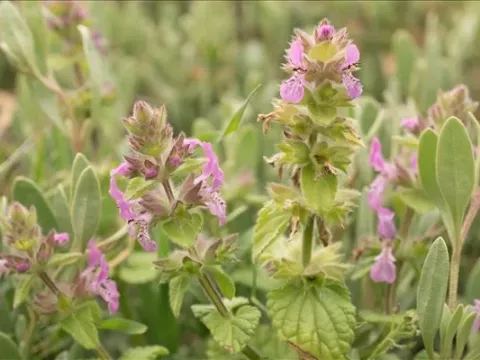
Stachys marrubiifolia
Stachys marrubiifolia
Stachys marrubiifolia is a perennial herbaceous plant belonging to the Lamiaceae family. In agricultural practice, sowing is typically performed in early spring once the soil temperature consistently reaches 10-12 degrees Celsius.
What the section contains
Stachys marrubiifolia
The seeds possess a natural dormancy period; therefore, cold stratification prior to sowing is recommended to improve germination rates. Seeds should be sown at a depth of 1-2 centimeters in well-prepared seedbeds.
For greenhouse production, sowing begins in March, allowing for transplanting into the field by late May. Maintaining appropriate spacing is crucial to prevent seedling competition and ensure vigorous early-stage growth.
Sunlight exposure is a critical factor for this species. Sites should be fully exposed to the sun throughout the day, as shading negatively impacts the metabolic processes responsible for the accumulation of active compounds.
Standard field spacing is set at 40-50 centimeters between rows and 20-30 centimeters within rows. This arrangement facilitates mechanical weeding and promotes optimal airflow to prevent moisture-related issues.
This crop thrives in light, well-draining soils, specifically sandy or loamy textures. It is highly sensitive to waterlogging, which can cause root rot, so selection of elevated or well-drained plots is mandatory for success.
The plant demonstrates remarkable drought tolerance once established, making it suitable for regions with limited irrigation resources. However, during the initial phases of growth, supplemental watering is necessary to ensure survival.
Nutrient management focuses on phosphorus and potassium application to stimulate plant quality. Excessive nitrogen should be avoided as it encourages rapid, weak vegetative growth that lacks the essential oils required for industrial use.
Winter hardiness is moderate; in colder climates, the crop benefits from a layer of organic mulch to protect the crown from freezing temperatures. Proper preparation before the first frost is essential for perennial survival.
Agronomic maintenance includes regular inter-row cultivation to manage weeds and improve soil gas exchange. Weed control is particularly important in the first two months after emergence when the crop is most vulnerable.
Powdery mildew and various fungal leaf spots represent the primary disease threats, particularly in humid or stagnant air conditions. Improving field ventilation and adhering to recommended spacing are the best preventative measures.
Aphids and spider mites are the most common insect pests associated with this crop. They tend to proliferate during hot, dry weather, requiring close monitoring and timely application of organic-certified pesticides if necessary.
Crop rotation is an essential strategy for managing soil-borne pathogens. Planting Stachys marrubiifolia in the same area for more than five years increases the risk of soil depletion and the buildup of specific plant diseases.
Sanitation practices, including the removal of infected debris during harvest, play a vital role in reducing the inoculum density for the following season. Maintaining healthy, non-stressed plants is the best defense against minor pest outbreaks.
Biological control agents, such as predatory mites or beneficial fungi, can be effectively utilized within an integrated pest management framework to minimize reliance on synthetic chemical interventions.
The harvest phase occurs when the plant is in full bloom. This specific timing ensures that the concentration of secondary metabolites and essential oils is at its peak, providing the highest market value for the raw herb.
Harvesting is performed by mowing the stems at a height of 10-15 centimeters above the ground. This ensures that the root system remains intact, allowing the perennial plant to regenerate for the following growing season.
Immediate post-harvest drying is required to maintain quality. The material is dried in shaded, well-ventilated areas at temperatures not exceeding 40 degrees Celsius to prevent the degradation of heat-sensitive compounds.
After reaching the desired moisture content, the dried material undergoes a mechanical cleaning process to remove thick woody stems. The processed herb is then stored in airtight containers, protected from light and moisture.
With proper care, a plantation can remain productive for 3 to 5 years. After this period, the plants often show reduced vigor, signaling the need for field renewal to maintain the consistent yields expected in commercial farming.