
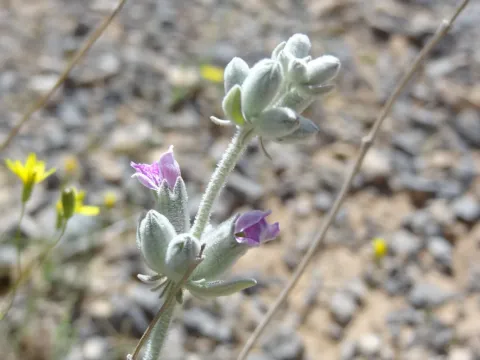
Stachys inflata
Stachys inflata
Stachys inflata is a perennial herbaceous plant belonging to the Lamiaceae family. It is natively found in dry, mountainous, and semi-desert regions, showing remarkable adaptation to harsh environmental conditions.
What the section contains
Stachys inflata
The plant thrives in well-drained, stony, or sandy soils. It is highly valued in agriculture for its exceptional drought tolerance and its ability to withstand extreme summer temperatures without significant damage to yield.
For optimal development, this species requires full sunlight exposure. Direct sunlight is essential for the synthesis of secondary metabolites, which are the main focus for its pharmaceutical application.
Stachys inflata prefers neutral to slightly alkaline soil conditions. Proper irrigation management is critical, as excess moisture is the primary enemy of this plant, often leading to physiological disorders and root system decline.
In terms of хозяйственного (economic) use, the plant is harvested for its therapeutic properties, particularly in treating inflammatory conditions. Its resilient nature also makes it a candidate for xeriscaping and soil stabilization projects.
The primary threats to Stachys inflata are soil-borne pathogens caused by poor drainage. Fungal diseases such as powdery mildew can spread rapidly if the air circulation around the plants is insufficient.
Insects like aphids and spider mites can pose a threat during the active growth phase, especially in regions with high humidity. Integrated pest management is recommended to preserve the medicinal quality of the harvest.
Root rot represents the most serious threat to crop stability. This condition is almost exclusively linked to overwatering or planting in heavy, clay-rich soils that retain moisture for too long.
Weed infestation during the establishment phase can significantly retard the growth of the crop. Manual or mechanical weeding is necessary until the plants are fully established and can compete for nutrients.
Maintaining a balanced irrigation schedule is the most effective preventative measure against the common diseases affecting the Lamiaceae family under field conditions.