
Stachys durandiana
Stachys durandiana
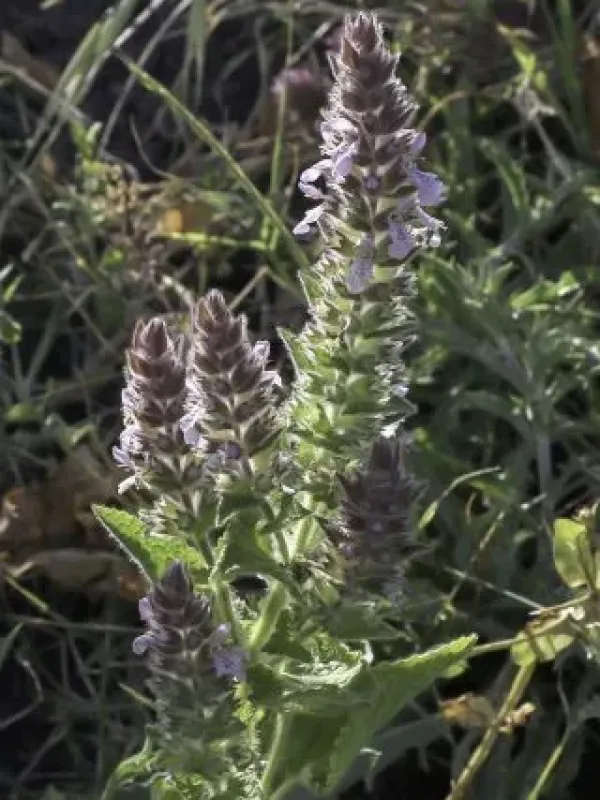
Description
Growing requirements
Stachys durandiana is a perennial herbaceous plant belonging to the Lamiaceae family. It represents a specialized crop with distinct botanical features that allow it to thrive in specific environmental conditions while maintaining a stable yield of plant material.
Originating from the arid and semi-arid regions of the Mediterranean and North Africa, the plant has evolved to tolerate extreme temperatures and low moisture availability. Its natural habitat is characterized by rocky slopes and well-drained substrates, which defines its requirements in agricultural cultivation.
The crop requires soils with excellent drainage and a neutral to slightly alkaline pH level. Heavy, clay-based soils should be avoided or amended with sand and organic matter to prevent waterlogging, which is a major limiting factor for the health of the plant's root system.
As a sun-loving species, Stachys durandiana requires full sun exposure to ensure proper physiological development. Adequate sunlight is essential not only for biomass accumulation but also for the synthesis of the secondary metabolites that define its pharmacological and culinary utility.
Agronomic management relies on preventive maintenance, including manual or mechanical weeding during the early growth stages. Fertilization should be managed carefully to avoid excessive nitrogen, which can lead to rapid but structurally weak growth and lower the concentration of beneficial essential oils.