
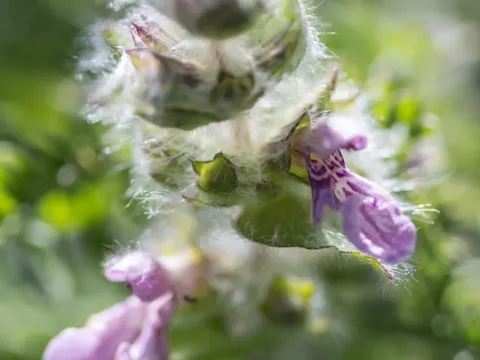
Stachys heraclea
Stachys heraclea
Stachys heraclea is a perennial herbaceous plant belonging to the Lamiaceae family. It is native to the Mediterranean region and parts of the Balkan Peninsula, where it has historically been used for its medicinal and aromatic properties.
What the section contains
Stachys heraclea
The plant thrives in well-drained, nutrient-rich soils with a preference for sunny exposure. Its morphological structure, characterized by fine hairs on the leaves and stems, allows the plant to withstand arid conditions and intense summer heat.
Cultivation requires careful site selection. Soils must be adequately aerated to prevent waterlogging, which the species does not tolerate well. A pH balance ranging from 6.0 to 7.5 is ideal for ensuring optimal nutrient uptake.
Agronomic management involves periodic weeding and soil aeration during the early stages of the growing season. While the crop is resilient, supplemental irrigation during the peak development phase significantly enhances biomass production.
Economically, Stachys heraclea is cultivated for essential oil extraction and as a potent nectar source for apiaries. Its medicinal components make it a valuable resource for the pharmaceutical and cosmetic industries.
The most common disease affecting this crop is powdery mildew, which typically emerges during periods of high humidity and poor air circulation within the canopy.
Root rot is another significant concern, primarily triggered by excessive water retention in heavy, poorly drained soil types, leading to rapid decline of the plant stand.
Pest management focuses on controlling aphids and spider mites, which can damage tender leaves and reduce the overall quality of the harvestable product.
Integrated pest management strategies, such as crop rotation and the introduction of natural predators, are recommended over chemical interventions to maintain high-quality organic output.
Regular monitoring of field edges and ensuring optimal plant density can prevent the rapid spread of infections, ensuring the long-term health of the crop.