
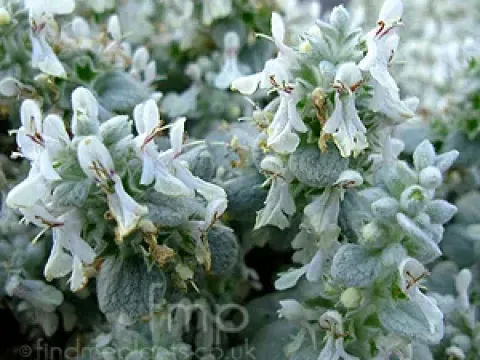
Stachys candida
Stachys candida
Stachys candida, commonly known as a snowy hedge nettle, is a perennial flowering plant belonging to the Lamiaceae family. It is primarily valued for its dense, woolly, silver foliage and is commonly propagated through vegetative division of established clumps.
What the section contains
Stachys candida
Propagation by division is best performed during the early spring or autumn. This process ensures the plant establishes a strong root system before the onset of extreme summer heat or winter dormancy.
While seed sowing is possible, it requires specific cold stratification techniques to break dormancy. Seeds should be sown in well-draining, sandy compost and kept in a cool environment until germination begins.
When transplanting into the garden, a spacing of 30 to 40 cm is recommended to allow for adequate airflow between plants. This spacing helps prevent moisture accumulation, which can lead to fungal issues.
Newly planted individuals should be kept watered until established, although they quickly become drought-tolerant once their root systems are fully developed.
As a plant native to rocky and arid habitats in Greece, Stachys candida thrives in full sun. Intense light is critical for maintaining its silvery-white leaf color and compact growth habit.
The plant is highly adaptable to poor, rocky, or gravelly soils, provided they offer exceptional drainage. It is well-suited for rock gardens and xeric landscapes where low-fertility soil is common.
Water requirements are minimal; once established, the plant is extremely drought-resistant. Over-watering is the primary cause of failure, particularly during the winter months when the plant is less active.
The plant prefers neutral to slightly alkaline soil conditions. If the soil is heavy or prone to clay-like compaction, incorporating coarse sand or grit is necessary to facilitate proper drainage.
Stachys candida does not require heavy fertilizing. Excessive nutrient application tends to result in leggy growth and reduces the plant's natural, dense aesthetic quality.
The main threats to Stachys candida include fungal diseases, such as root rot and powdery mildew, which thrive in humid or poorly ventilated conditions. Prevention is key to maintaining a healthy population.
Pests such as aphids may occasionally attack the tender new growth. Integrated pest management using natural sprays or physical removal is often sufficient to manage these infestations without harming the plant.
Adequate spacing and the use of gravel mulch are essential to minimize contact between foliage and moist soil, which is a common trigger for rot-related problems.
Winter wetness is more damaging to this plant than cold temperatures. Ensuring that the soil stays relatively dry throughout the winter period will significantly improve the plant's survival rate.
- Ensure excellent drainage in all planting sites.
- Promote good air circulation through proper spacing.
- Avoid overhead watering during humid summer months.