
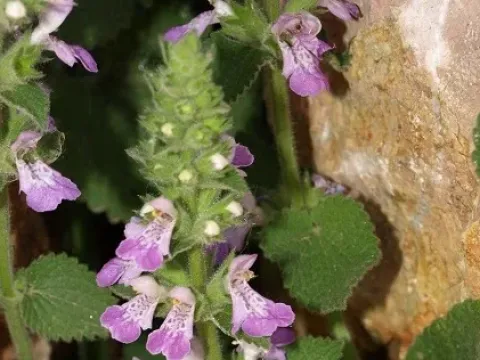
Stachys circinata
Stachys circinata
Stachys circinata is a perennial herbaceous plant belonging to the Lamiaceae family. It is native to the Mediterranean region, where it has evolved to survive in rocky and sun-drenched environments.
What the section contains
Stachys circinata
Botanically, the plant is distinguished by its small, rounded, aromatic leaves covered in fine hairs. This structural adaptation helps the plant survive in dry conditions by reducing transpiration.
The cultivation of this species requires well-drained, sandy, or rocky soil with a slightly alkaline or neutral pH level. Proper drainage is the most important factor in preventing root system collapse.
This crop is strictly heliophilic, requiring full exposure to sunlight to develop its characteristic aromatic profile and compact, healthy growth structure throughout the growing season.
Agricultural management should prioritize minimal irrigation, as Stachys circinata is highly adapted to arid environments. Excessive nitrogen fertilization should be avoided as it leads to weak, lush growth susceptible to disease.
Root rot is the most significant pathological threat to this culture. It is typically caused by fungal pathogens that thrive in poorly drained soil or areas with excessive moisture accumulation.
Powdery mildew is a common foliage problem, especially when the plant is kept in conditions with high humidity and insufficient air circulation. Thinning out the plantation can effectively prevent outbreaks.
Aphids represent the primary insect pest, frequently clustering on new, tender shoots. These insects weaken the plant by extracting essential sap and can also act as vectors for various plant viruses.
Spider mites can become a major concern during hot, dry summer months. Their feeding activity causes yellowing and eventual browning of the foliage, which negatively impacts the overall quality of the harvest.
Slugs and snails may occasionally cause damage to the lower leaves, particularly in spring. Implementing physical barriers or regular weeding around the base of the plant helps to mitigate these issues.