
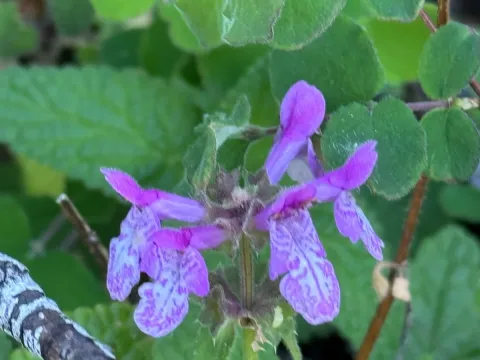
Stachys bullata
Stachys bullata
Stachys bullata is a perennial herbaceous plant belonging to the Lamiaceae family. Propagation via seeds is typically conducted in the spring once the soil temperature reaches 12–15 degrees Celsius.
What the section contains
Stachys bullata
When cultivating this species in a garden or field setting, sowing seeds into open ground is best performed in late autumn or early spring at a depth of 1 to 2 centimeters.
Seed germination rates are improved significantly if the seeds undergo a cold stratification process for approximately 30 days before planting in the substrate.
Vegetative propagation via root division is highly recommended for commercial growers to maintain the genetic consistency of the specific plant variety over time.
Recommended planting density involves maintaining a distance of 30 to 40 centimeters between individual plants to ensure proper aeration and structural development.
The plant thrives in well-lit, sunny areas featuring light, well-draining soils that maintain a neutral or slightly alkaline pH level for optimal growth.
Stachys bullata exhibits excellent drought tolerance, requiring irrigation only during the establishment phase or extreme periods of heat without rainfall.
Excess moisture is detrimental to the plant, so cultivation in heavy, water-logged soils must be avoided to prevent root rot and physiological stress.
Minimal fertilization is required; however, a balanced application of organic compost in early spring can promote more robust foliage development throughout the season.
Maintenance practices such as trimming faded flower stalks help to encourage new growth and sustain the plant's overall vigor and decorative appeal.
Root rot represents the most significant threat to Stachys bullata, usually caused by poor soil drainage and excessive soil moisture during dormant periods.
Powdery mildew can affect the foliage in environments with poor air circulation or high relative humidity, leading to white fungal patches on leaves.
Aphids often target young shoots during the spring growth cycle, necessitating regular monitoring and appropriate control measures if populations explode.
Spider mites may become a localized issue during particularly hot and dry summers, as they thrive in conditions that stress the plant's natural defenses.
Managing these threats involves cultural practices like proper spacing, moderate watering, and early detection through routine field inspections of the plant stock.