
Cretan savory
Clinopodium creticum
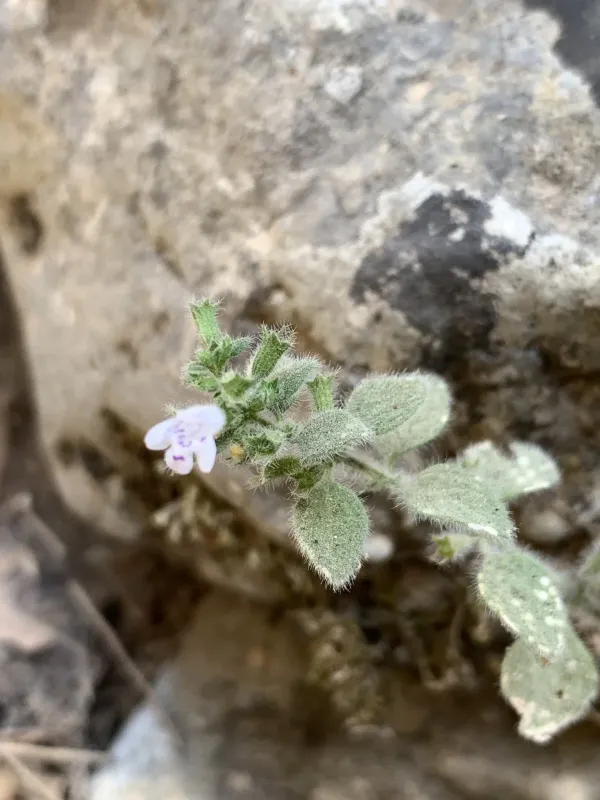
Description
Sowing dates
The sowing of Cretan savory is typically carried out in early spring when the soil temperature consistently exceeds 10 degrees Celsius. For commercial production, starting seedlings in a nursery ensures more uniform growth and better survival rates.
When seeding directly into the field, seeds should be sown at a depth of approximately 0.5 centimeters. It is essential to keep the seedbed moist until germination, which usually occurs within two to three weeks.
The spacing between rows should be maintained at around 40 to 50 centimeters to allow for adequate airflow and mechanical weed control. Plants within the row should be thinned to a distance of 25–30 centimeters.
In regions with mild climates, late autumn sowing can be practiced. This method allows the seeds to benefit from early spring moisture, resulting in earlier development compared to spring-sown crops.
Before sowing, seeds may benefit from short-term cold stratification to break dormancy. This process significantly improves the overall germination percentage and ensures a more vigorous seedling development.
Growing requirements
Cretan savory, a member of the Lamiaceae family, thrives in full sun. Exposure to direct sunlight is crucial for the biosynthesis of essential oils, which give the plant its characteristic aroma and medicinal value.
The crop prefers light, well-drained, and slightly alkaline soil types. Sandy loam soils are ideal as they prevent waterlogging, which the root system of this species is highly sensitive to.
Once established, the plant is remarkably drought-tolerant. However, supplemental irrigation is recommended during the early growth stages to support root system expansion and overall canopy development.
Regular cultivation between rows is necessary to prevent soil compaction and to remove weeds that compete for light and nutrients. Keeping the soil surface aerated promotes healthy root function.
Fertilization should be managed carefully, favoring potassium and phosphorus inputs over nitrogen. Excess nitrogen can encourage lush leaf growth at the expense of aromatic potency and winter hardiness.
Yield
Yield potential is dependent on optimal site selection and the maturity of the plants. Typically, peak production is reached by the second or third year after establishment.
Harvesting strategies, such as precise cutting, can result in multiple cuttings per season. Proper timing ensures that the biomass yield remains high without exhausting the plant's resources.
Average yield of dried herb biomass can range between 2 and 4 tonnes per hectare depending on the local environmental conditions and the intensity of the agricultural management system applied.
Selection of high-quality genetic material can significantly improve the yield of volatile oils. Producers should focus on cultivars that demonstrate both high biomass production and superior chemical profiles.
Seasonal variability significantly impacts the harvest outcome. Warm, dry summers generally lead to a higher concentration of secondary metabolites, improving the economic value of the raw product.
Main diseases and pests
Root rot is the most common threat, primarily caused by excessive soil moisture and poor drainage. Ensuring high-quality field preparation with adequate drainage is the best preventive strategy.
Powdery mildew can occur in humid environments or areas with poor air circulation. Proper spacing and timely weed management reduce the risk of fungal proliferation within the crop canopy.
Pests like aphids and spider mites can occasionally affect the leaves. Integrated pest management (IPM) practices, including the use of beneficial insects, are preferred over chemical interventions.
Insects like wireworms may occasionally target the root zone in newly prepared soil. Rotation with non-host crops is recommended to reduce the population of these soil-dwelling pests.
Overall, Cretan savory is a hardy species with strong natural defenses. Most diseases can be successfully mitigated through strictly maintained agricultural protocols and careful environmental monitoring.
Harvesting
The harvest should take place at the peak of flowering. This timing ensures that the secondary metabolites, particularly the essential oils, are at their maximum concentration within the flowers and leaves.
Plants should be cut approximately 10–15 centimeters above the soil line. This height allows for rapid regrowth and protects the crown of the plant from physical damage during the harvest process.
Post-harvest handling must be quick to avoid oil oxidation. Ideally, the herb is transported to a processing facility immediately to prevent wilting and degradation of aromatic compounds under direct sunlight.
Drying is performed in climate-controlled environments at temperatures between 35 and 40 degrees Celsius. Controlled airflow is necessary to remove moisture efficiently while preserving the plant's color and scent.
After drying, the product should be packed in breathable, opaque containers and stored in a cool, dark environment. This prevents degradation and ensures a long shelf life for the dried material.