
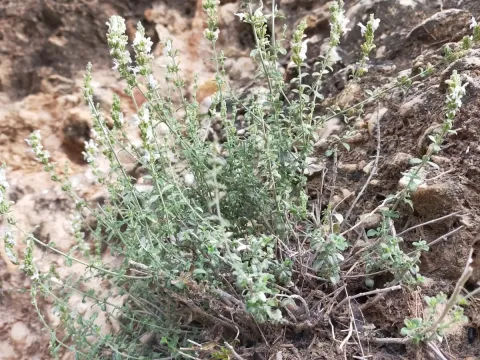
Clinopodium serpyllifolium
Clinopodium serpyllifolium
Clinopodium serpyllifolium, commonly known as Micromeria, is a perennial subshrub belonging to the Lamiaceae family. Seeds are typically sown in trays during early spring, providing a temperature range of 20 to 22 degrees Celsius to ensure uniform germination across the crop.
What the section contains
Clinopodium serpyllifolium
The growing medium for sowing must be light, well-draining, and slightly sterile to prevent damping-off. As the seeds are extremely small, they should be surface-sown and covered with only a microscopic layer of fine vermiculite or sand to allow adequate light exposure for sprouting.
Once seedlings develop their first true leaves, they should be hardened off by exposing them to outdoor conditions gradually over ten days. This process ensures that the young plants are prepared for the transition to the garden, reducing the risk of transplant shock significantly.
Transplanting into the permanent field site should occur once the frost risk has completely passed, usually by late May or early June. A sunny location with excellent drainage is crucial, as this species naturally thrives in rocky or sandy substrates found in its native Mediterranean habitats.
Vegetative propagation via cuttings taken in late spring is a common and highly effective method for commercial growers. Cuttings root quickly in moist, sandy media, allowing for the rapid expansion of uniform plantations while maintaining the aromatic profile of the parent plants.
This species is highly photophilous and demands full sun exposure throughout the growing season. In shaded environments, the plants tend to grow leggy, lose their characteristic compactness, and suffer a marked decline in the essential oil content required for high-quality production.
Soil requirements are relatively specific: the plant requires lean, well-aerated, and mineral-rich substrates. It is intolerant of heavy, clay-based soils that retain moisture, as waterlogging is the primary cause of root system failure in Clinopodium serpyllifolium cultivation.
Irrigation should be minimal and focused primarily on the establishment phase. Once fully settled, the plants are remarkably drought-tolerant, requiring supplemental watering only during prolonged periods of intense heat or extreme atmospheric aridity, ideally delivered through subsurface drip lines.
Fertilization should be kept to a absolute minimum to maintain the purity of the aromatic secondary metabolites. Excessive nitrogen levels are counterproductive, as they encourage rapid vegetative growth that lacks the essential oils and flavor intensity desired for culinary or medicinal markets.
Weed management in the first year of growth is vital to protect the slow-growing seedlings from competition. Once established, the dense structure of the plant canopy helps suppress weed development, creating a self-sustaining environment that requires little active human intervention.
Root rot is the most significant threat to the crop, predominantly caused by poor soil drainage or over-irrigation. Growers must prioritize site selection where natural topography prevents water accumulation, especially during wet spring seasons when the root system is vulnerable.
Powdery mildew can occur in conditions of high humidity combined with poor airflow between plants. Management strategies include spacing rows to ensure constant wind circulation and using biological control agents if the infection threshold is reached early in the developmental stage.
Pests like aphids can colonize young, tender shoots during the peak of the growing season. Integrated pest management, which includes encouraging natural predators like ladybugs or using light horticultural soaps, is usually sufficient to handle these infestations without the need for synthetic chemicals.
Spider mites represent a potential issue during exceptionally hot and dry spells, particularly in protected or greenhouse environments. Regularly monitoring for webbing on the undersides of leaves allows for early intervention through simple physical cleaning or increased air humidity levels.
Winter survival can be challenged in colder climates, where freezing temperatures and moist conditions lead to crown rot. Protective covers or mulch should be applied before the onset of winter to ensure the plant survives the dormancy period and retains vigor for the following season.
The optimal harvest timing for Clinopodium serpyllifolium is during the full bloom phase, which corresponds to the peak concentration of essential oils in the foliage. Harvesting at this moment ensures the maximum aromatic and medicinal value of the final processed product.
Using sharp, sanitized tools, the upper portions of the stems are harvested, typically leaving a sturdy base to allow for regrowth. All harvesting operations must be completed during dry weather conditions, avoiding any moisture, which could compromise the drying process of the delicate plant tissues.
Post-harvest handling requires immediate transfer of the material to a clean, shaded drying area with active airflow. Drying on racks or suspended bundles is preferred, ensuring that temperatures stay below 35 degrees Celsius to prevent the evaporation of volatile aromatic compounds.
Once dried, the herbs are processed and stored in airtight containers made of glass or light-blocking materials to prevent degradation. Properly cured and stored, the leaves retain their potent scent and medicinal efficacy for up to twenty-four months under standard storage conditions.
The economic value of this crop extends across multiple sectors, including herbal teas, culinary spices, and botanical extracts for the cosmetic industry. Its dual-purpose nature, serving as both an ornamental landscape plant and a productive crop, makes it a valuable asset for diversified farms.