
Clinopodium umbrosum
Clinopodium umbrosum
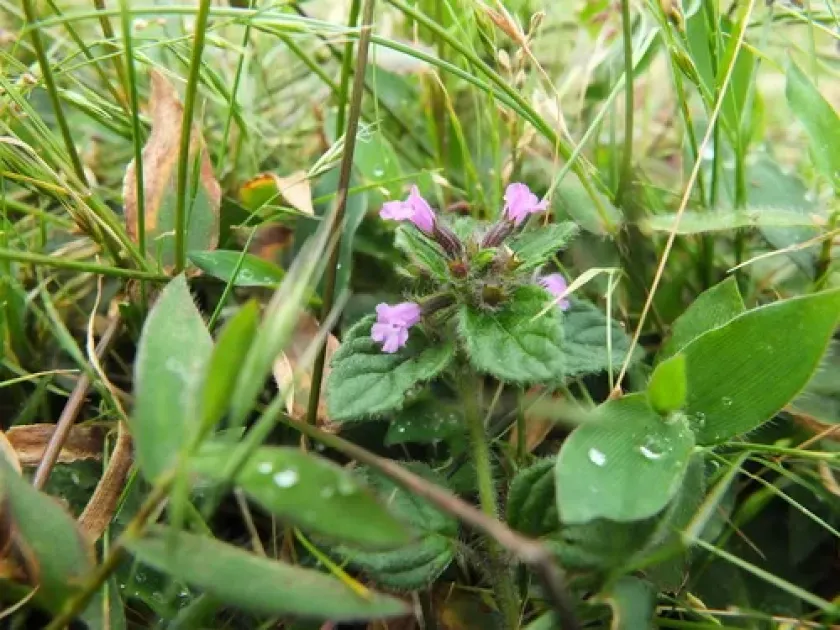
Description
Growing requirements
Clinopodium umbrosum is a perennial herbaceous plant belonging to the Lamiaceae family. Often referred to as a shade-loving species, it thrives in environments that mimic forest edges, where light is dappled rather than direct.
To ensure optimal growth, the soil should be rich in organic matter and possess excellent drainage capabilities. The species prefers a consistently moist environment, making it an ideal candidate for shady corners of a garden or controlled environments.
Temperature management is crucial, as the plant prefers cool to moderate climates ranging from 18°C to 24°C. Excessive heat can cause wilting and significantly reduce the quality of the aromatic foliage.
Soil pH should ideally be neutral or slightly acidic. Regular applications of organic mulch help retain soil moisture and provide the necessary nutrients for sustained vegetative growth throughout the season.
Propagation is effectively achieved through seed sowing in spring or by dividing established clumps. Division helps maintain the vigor of the plants and prevents the root system from becoming overly congested.
Yield
The yield of Clinopodium umbrosum is focused on the aromatic aerial parts of the plant. By implementing a systematic harvesting schedule, growers can maximize the seasonal output of fresh biomass.
Frequent, light harvesting promotes branching and bushier growth, leading to a higher total yield over the course of the growing season. It is essential to allow for recovery time between successive harvests.
On average, the dry matter yield is a fraction of the fresh weight, requiring efficient drying processes to ensure the shelf life of the final product. Quality control at the harvest stage is paramount for maintaining oil content.
Productivity is generally highest in the second year after establishment. Growers should plan for crop rotation or division every three to four years to maintain consistent yields across the plantation.
Economic value is driven by the plant's use in aromatherapy, culinary applications, and traditional medicine. Its unique aromatic profile makes it a niche but valuable crop for specialized herb farms.
Main diseases and pests
Slugs and snails are the primary pests that affect young, tender foliage. Implementing physical barriers, such as copper tape or wood ash, can effectively mitigate damage during the establishment phase.
Powdery mildew can become an issue if the planting density is too high, preventing adequate airflow around the base of the plant. Thinning out the canopy is a recommended preventative measure.
Root rot is typically caused by poor soil drainage. Ensuring that the site is not prone to waterlogging is the most effective way to prevent this common, often fatal, fungal infection.
Aphids may occasionally target the growth tips during warmer spells. A gentle spray of neem oil or insecticidal soap is usually sufficient to bring populations back under control without harming the plant.
Integrated pest management, including the use of beneficial insects, helps keep the garden ecosystem balanced and reduces the reliance on chemical interventions.
Harvesting
Harvesting should ideally take place in the early morning, once dew has evaporated but before the intensity of the midday sun. This timing ensures that the volatile oils are at their highest concentration.
Only the top 15–20 cm of the stems should be harvested. Cutting too deeply into the woody parts of the stem can damage the plant and hinder its ability to regenerate effectively for subsequent cuts.
Drying must occur in a dark, well-ventilated area. Exposure to direct sunlight will cause the leaves to bleach and lose their characteristic scent, significantly lowering the market value of the herb.
Once dried, the herbs should be stored in opaque, airtight containers to maintain freshness. Proper storage prevents moisture ingress and keeps the aromatic compounds intact for extended periods.
The final harvest of the year should be completed before the first frost, allowing the plant enough time to prepare for dormancy. This helps ensure better survival rates through the winter months.