
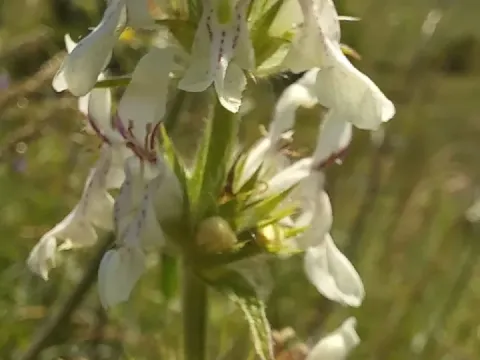
Stachys atherocalyx
Stachys atherocalyx
Stachys atherocalyx is a perennial herbaceous plant belonging to the Lamiaceae family. It is native to the Balkan Peninsula and parts of Southeastern Europe, where it thrives in diverse mountain and meadow habitats.
What the section contains
Stachys atherocalyx
The plant is highly heliophilous, requiring full sun exposure for optimal growth and flowering. Proper light management is crucial for the development of its aromatic essential oils and vegetative biomass.
In terms of soil, it prefers well-drained, fertile substrates. While it can adapt to various soil types, loamy soils with a neutral or slightly alkaline pH are considered ideal for maintaining its health.
Botanically, it is distinguished by its hirsute calyx with long spines, which gives the plant its scientific epithet. The stems are typically quadrangular, and the leaves exhibit the characteristic serrated edges common to the genus.
Agricultural practice involves regular soil aeration and weed control, particularly during the early vegetative stage. Proper spacing between rows is recommended to ensure sufficient airflow and light penetration.
The primary threats to Stachys atherocalyx cultivation include fungal diseases triggered by excessive soil moisture. Root rot and powdery mildew are the most frequently observed pathologies in poorly drained fields.
Insect pests, such as aphids and spider mites, present significant risks by feeding on the plant sap. These infestations can stunt growth and severely affect the quality of the harvested botanical material.
Integrated pest management strategies should be applied to prevent widespread outbreaks. This includes monitoring for early symptoms of pests and applying appropriate biological or chemical treatments as needed.
Weed management is an essential component of the cultivation cycle, as invasive plants compete for vital nutrients and harbor potential vectors for diseases. Mechanical weeding is preferred in sustainable production systems.
Proper harvest hygiene and the removal of plant debris after the growing season are effective cultural practices to reduce the carry-over of pathogens into the following year.