
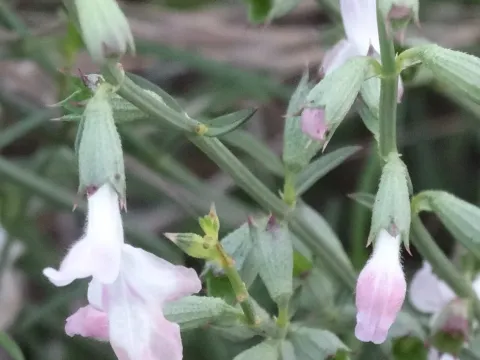
Stachys angustifolia
Stachys angustifolia
Stachys angustifolia, a member of the Lamiaceae family, is a perennial herb known for its specific ecological requirements. It is typically propagated via seeds or rhizome division.
What the section contains
Stachys angustifolia
Seeds should be sown in autumn or early spring. Stratification is highly recommended to break seed dormancy and ensure uniform germination rates across the field.
When planting, seeds should be sown at a depth of approximately 1 to 2 centimeters. Maintaining moist soil during the initial germination phase is crucial for success.
For industrial cultivation, row spacing of 45–60 centimeters is common. This spacing provides enough room for mechanical weeding and promotes healthy airflow between plants.
Establishment of the crop is slow in the first year, requiring diligent weed control to prevent competition for nutrients and space during the early developmental stages.
This species is sun-loving and performs best in open, well-lit fields. Lack of sunlight significantly reduces the secondary metabolites needed for industrial and medicinal purposes.
The plant thrives in well-drained, sandy loam soils. It is sensitive to waterlogging, which can cause crown rot and plant mortality during wet seasons.
Stachys angustifolia is naturally drought-tolerant once established. It is an excellent candidate for regions with unpredictable rainfall patterns, provided the soil is porous.
Neutral or slightly alkaline soil conditions are ideal for development. Soil testing is recommended before planting to ensure adequate nutrient levels, specifically phosphorus and potassium.
Over-fertilization with nitrogen should be avoided, as it encourages excessive vegetative growth at the expense of aromatic and medicinal compounds within the plant tissues.
Yield stability is usually achieved by the second or third year of growth. During this period, the plant builds a robust root system capable of producing multiple harvests.
Commercial producers generally expect yields of 5 to 10 tons of fresh aerial biomass per hectare, depending on local environmental factors and crop management practices.
Harvesting is timed to coincide with the peak flowering period. This is when the plant contains the highest concentration of active compounds, ensuring high-quality raw material.
After the initial harvest, the plants are capable of rapid regrowth. In favorable seasons, a second smaller harvest may be collected before the first winter frost.
Sustainability of the plantation is maintained by limiting the harvest intensity to ensure the plant has enough energy to overwinter and produce foliage the following year.
Common pests include aphids and leaf-eating beetles, which can cause significant damage to foliage if left untreated. Integrated pest management strategies are often utilized.
Powdery mildew represents the primary fungal threat. It is most prevalent in areas with high humidity and poor ventilation, often requiring careful site selection.
Root rot is typically associated with poor drainage or over-irrigation. Proper land leveling and water management are critical preventive measures for long-term health.
Crop rotation is essential for the longevity of the plantation. Avoid planting Stachys species in the same location for more than 4–5 consecutive years to prevent soil exhaustion.
Biological controls and preventive cultural practices are preferred over synthetic pesticides to maintain the high quality required for medicinal or industrial applications.
Mechanical harvesting is conducted using specialized mowers that cut the stems at an appropriate height to avoid damaging the plant's regeneration centers.
Immediate drying is required after harvest to prevent decomposition. Controlled drying at moderate temperatures preserves the plant's natural oils and physical properties.
Final product quality depends on the cleanliness of the harvested material. Removing weeds and soil particles immediately after collection is vital for standardization.
Storage should take place in cool, dark, and dry conditions to prevent the degradation of active chemical compounds over time.
The shelf life of the dried raw material is generally long if stored under optimal moisture-controlled conditions, allowing for flexible market distribution.