
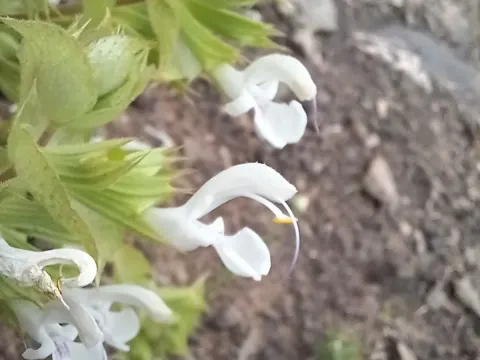
Spiny sage
Salvia spinosa
Spiny sage (Salvia spinosa) is a member of the Lamiaceae family. Native to the Caucasus, the Middle East, and parts of Asia Minor, this perennial herb is well-adapted to semi-arid climates and rugged terrain.
What the section contains
Spiny sage
The plant thrives in full sun and requires well-drained soil conditions to flourish. Its drought tolerance is a hallmark of the species, allowing it to survive in regions with irregular rainfall patterns where other crops might fail.
For optimal cultivation, soil should be light and aerated. Heavy clay soils prone to waterlogging should be avoided, as the species is sensitive to root rot when moisture levels remain too high for extended periods during the growing season.
Cultural practices involve maintaining a clean seedbed and ensuring adequate spacing between plants to allow for proper air circulation. As a perennial crop, once established, it requires minimal intervention, though weeding is critical in the first year of growth.
Economically, Salvia spinosa is being explored for its essential oil content and potential pharmaceutical properties. Its unique morphology, featuring spiny calyxes, also adds to its interest in specialized ornamental horticulture and botanical research.
Disease management is primarily focused on controlling fungal pathogens. Powdery mildew can affect the foliage during damp, stagnant weather conditions, while various root rots pose a risk if drainage is insufficient in the cultivation area.
Pest pressures include opportunistic insects such as aphids or spider mites that may feed on the tender tissue of the plant. Integrated pest management (IPM) strategies, including crop rotation and the encouragement of beneficial insects, are recommended for sustainable production.