
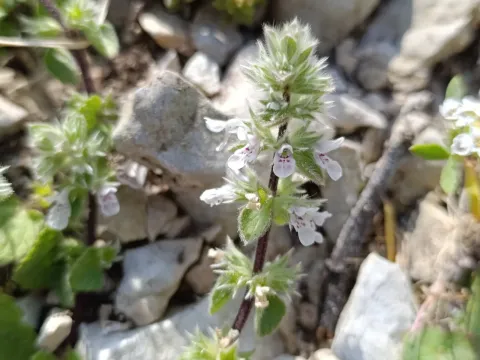
Stachys brachyclada
Stachys brachyclada
Stachys brachyclada is a perennial herbaceous plant belonging to the Lamiaceae family. It is known for its distinct botanical features that allow it to thrive in specific environmental conditions of its native range.
What the section contains
Stachys brachyclada
Sowing should take place in well-drained soil during the spring. The seeds require shallow planting, roughly 1 to 2 centimeters deep, to ensure they receive sufficient light and warmth for successful germination.
Stratification of the seeds is highly recommended before sowing to improve overall germination rates. This process mimics the natural conditions the plant would encounter in its wild habitat, facilitating more uniform growth.
When sowing in rows, a spacing of 30–45 cm between plants is suggested to allow for proper root development and airflow. This spacing minimizes the risk of overcrowding, which can hinder the growth of individual plants.
Sun exposure is a critical factor for the successful cultivation of this species. Stachys brachyclada thrives in full sunlight, which encourages the development of healthy foliage and the accumulation of beneficial compounds.
The plant prefers sandy or light loamy soils with excellent drainage. Heavy clay soils, which tend to retain excessive moisture, should be amended to prevent root rot and other moisture-related issues.
Soil pH should ideally be neutral or slightly alkaline. Periodic testing and the application of lime can help maintain the soil in a range that supports optimal nutrient uptake for the plant.
While this species is known for its drought tolerance, regular irrigation is beneficial during the initial stages of establishment and during peak growth periods. Maintaining a consistent moisture level improves yield.
Stachys brachyclada is adaptable to various temperature fluctuations. Its natural resilience allows it to withstand both the heat of summer and the cooling periods common in its native high-altitude environment.
Avoid heavy nitrogen-based fertilizers. A balanced, organic nutrient supply is preferred to maintain the natural chemical composition of the plant, which is vital for its various industrial and medicinal applications.
Root rot is the most significant threat to this species, usually caused by poor drainage or overwatering. Proper site selection and drainage management are essential preventative measures.
Aphids can pose a nuisance during the early stages of the growing season. Early detection and the use of natural predators are often sufficient to keep populations under control without resorting to heavy chemicals.
Powdery mildew may occur if air circulation is restricted or if humidity levels remain high for extended periods. Pruning and thinning the plants can effectively increase airflow and reduce the risk.
Fungal infections can spread quickly if diseased leaves are not removed promptly. Regular inspection of the plantation is vital for identifying and isolating affected areas early in the development.
Integrated Pest Management (IPM) is the best approach for Stachys brachyclada, ensuring that any intervention prioritizes the safety and purity of the final plant product.
Harvesting is best performed during the peak flowering stage. This is when the concentration of essential secondary metabolites is highest, ensuring the quality of the harvested botanical material.
Using sharp tools, cut the stems slightly above the base. This method protects the core of the plant, allowing it to recover and return for subsequent growth cycles in following seasons.
Post-harvest, the material must be dried immediately away from direct sunlight. High-quality drying is crucial to maintaining the appearance and integrity of the leaves and stems.
The drying process should take place in a shaded, well-ventilated area with temperatures kept strictly below 45 degrees Celsius to preserve volatile organic compounds within the tissue.
Once dried, the product should be stored in opaque, airtight containers. Proper storage protects the dried herbs from humidity and light, which would otherwise degrade the quality of the harvest.