
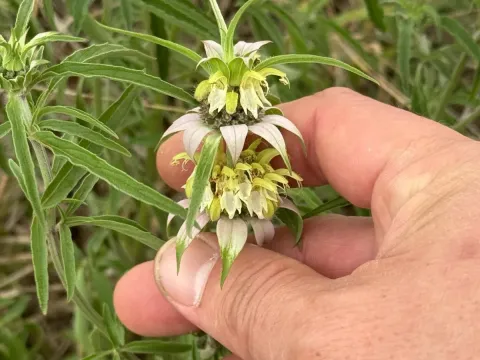
Spotted bee balm
Monarda punctata
Seeds of Monarda punctata should be sown in early spring, ideally after the danger of severe frost has passed. They require light to germinate, so they should be surface-sown on a well-prepared seedbed.
What the section contains
Spotted bee balm
When starting indoors, seeds are sown in late winter or early spring using a sterile germination mix. Maintaining a consistent temperature between 18-21 degrees Celsius is essential for optimal sprouting.
Young seedlings should be hardened off before being transplanted into their final location in the field. This process helps them adapt to direct sunlight and fluctuating temperatures.
Spacing is critical for the health of the plant; keeping a distance of approximately 40 centimeters between plants ensures adequate airflow and prevents overcrowding.
Being a member of the Lamiaceae family, this plant is well-adapted to self-seeding, which allows for the maintenance of a productive patch over several seasons.
Spotted bee balm thrives in sandy or rocky soils with excellent drainage. It is exceptionally tolerant of poor soil conditions and does not require heavy fertilization to flourish.
The plant requires full sun to partial shade; however, full sun exposure is preferred to maximize the concentration of thymol and other essential oils in the foliage.
It is known for its remarkable drought tolerance once established. While it can survive on minimal rainfall, periodic watering during extreme heat will enhance the vigor of the stand.
The plant is highly attractive to pollinators, including honey bees and native bumblebees, making it an excellent choice for improving local biodiversity.
Neutral to slightly alkaline soil conditions are ideal. It is important to avoid planting in heavy clay or waterlogged soils, as these can lead to root rot.
Powdery mildew is the most frequent challenge in cultivating Monarda punctata, especially in humid climates or areas with poor air circulation.
Root rot, often caused by stagnant water in the soil, can quickly destroy a healthy patch if soil structure is not properly managed.
Pests like aphids and spider mites may occasionally infest the plants, particularly during dry spells, requiring careful monitoring.
Good agricultural practices, such as ensuring proper spacing and removing debris, are the first lines of defense against these biological threats.
Because the plant is a magnet for bees, chemical pesticide use must be avoided to prevent harming beneficial insect populations.
Harvesting should be timed to coincide with the peak flowering period, which is when the plant's essential oil content is at its highest level.
The upper 25-30 centimeters of the plant are harvested. This portion contains the most fragrant leaves and the characteristic colorful bracts.
Drying must be performed in a cool, dark, and well-ventilated area to preserve the delicate aroma. High heat should be avoided as it causes oils to evaporate prematurely.
Once dry, the leaves and flowers are often stripped from the stems and stored in airtight containers to maintain potency for a longer duration.
Productivity is highest in the second year, and fields are typically renovated or replanted every 3–4 years to ensure consistent yield quality.