
Smooth oregano
Origanum laevigatum
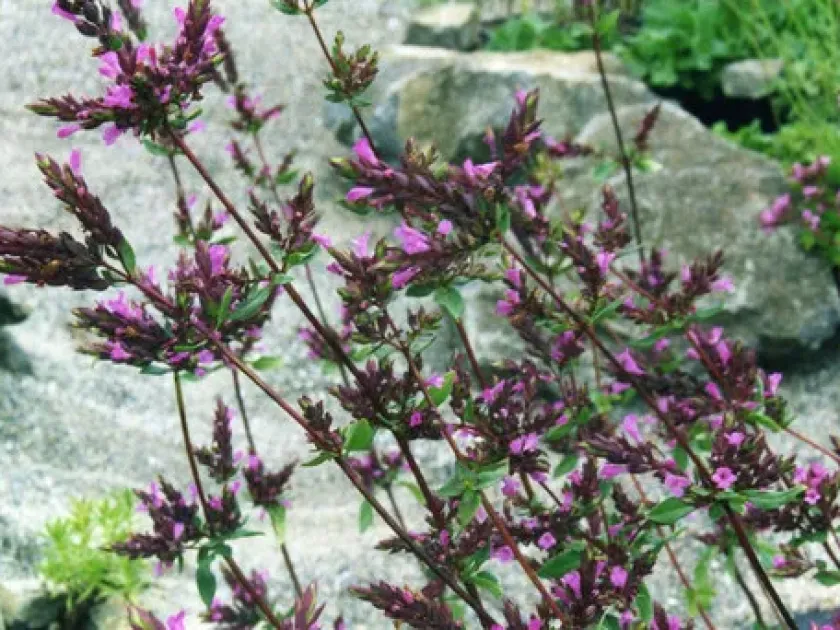
Description
Sowing dates
The sowing of Origanum laevigatum is typically performed in the spring once the soil temperature consistently reaches 10-12 degrees Celsius. Direct field sowing is a common practice, though seedling production in greenhouses is preferred for larger plantations.
Seeds are very fine and should be sown near the surface, covered with only a thin layer of soil. Providing adequate moisture during the germination period is critical to ensure successful establishment of the seedlings.
Spacing requirements are vital; rows should be spaced 45-60 cm apart to facilitate weed control and ensure good airflow. Crowded plants are significantly more susceptible to fungal diseases in humid conditions.
Thinning should be conducted once the seedlings develop several true leaves, maintaining an optimal spacing of 20-30 cm between plants within the row. This provides ample space for the root system to thrive.
Fall sowing is possible in regions with mild winters, allowing for natural stratification of the seeds. This often results in more vigorous growth and earlier development in the following spring season.
Growing requirements
Smooth oregano belongs to the Lamiaceae family and thrives in open, sunny locations. Full sun exposure is essential, as it directly influences the biosynthesis of the essential oils that define the plant's quality.
The crop prefers well-drained, fertile soils with a neutral to slightly alkaline pH. High soil moisture retention or stagnant water can quickly lead to root rot and other physiological disorders.
It exhibits strong drought tolerance once established, making it suitable for regions with limited rainfall. However, moderate irrigation during the peak growing season ensures higher vegetative yield and biomass production.
Winter hardiness is quite high for this species, though it requires protection from icy conditions or excessive moisture in the root zone during the dormant period. Proper soil structure is the best defense against cold-related damage.
Succession planning is essential for commercial herb farms. Rotating Origanum laevigatum with grain crops or legumes helps maintain soil fertility and prevents the buildup of soil-borne pathogens over time.
Yield
The average yield of dry biomass for smooth oregano ranges between 1.5 and 2.5 tonnes per hectare. The exact productivity depends heavily on the specific management practices and the local environmental conditions.
Harvest timing is paramount, with the peak concentration of active compounds occurring during the full bloom stage. Harvesting too early or too late results in a significant decline in the essential oil profile.
With balanced nitrogen-phosphorus-potassium nutrition, the crop can maintain high production levels for approximately 4 to 5 years. After this period, replanting is usually necessary to optimize economic efficiency.
Strategic pruning after the first harvest encourages lateral branching, which contributes significantly to the yield of the second harvest within the same growing season.
Advances in mechanized harvesting equipment have allowed growers to reduce labor costs and improve the quality of the harvested raw material by minimizing contact with soil and moisture.
Main diseases and pests
Fungal pathogens such as powdery mildew are the most significant threats to smooth oregano. These issues are almost always exacerbated by excessive canopy density or poor ventilation within the fields.
Pests like aphids and spider mites can be problematic, particularly during hot and dry spells. Integrated pest management strategies, including the use of beneficial insects, are preferred over chemical pesticides.
Weed management is a critical preventive measure, as weeds compete for nutrients and light while potentially hosting diseases. Maintaining clean inter-row spaces is a standard practice for healthy herb cultivation.
Root-knot nematodes can impact plantations in soils with improper texture. Crop rotation and the inclusion of green manures are effective ways to mitigate the risk of nematode infestation.
Early detection of disease is essential to prevent rapid spread across the plantation. Removing and destroying affected plants is a necessary sanitation step to maintain the overall health of the crop.
Harvesting
Harvesting is ideally performed in the mid-morning, after the dew has evaporated but before the intense afternoon heat. This helps to preserve the volatile components of the aromatic oils.
Plants are cut at a height of 10-15 cm above the ground. This height allows for rapid regrowth and minimizes the risk of harvesting woody stem material that is of lower quality.
Drying must take place immediately after harvest in a shaded, well-ventilated area or a temperature-controlled dryer. Temperatures should not exceed 40 degrees Celsius to prevent volatile loss.
Once dried, the leaves are separated from the stems using industrial threshing equipment. The product is then sorted and sifted to ensure a uniform quality before it is packaged for storage.
Storage should be conducted in climate-controlled environments using moisture-proof packaging. This maintains the aromatic potency and nutritional value of the herb until it is processed or sold.