
Smith's mint
Mentha smithiana
Description
Sowing dates
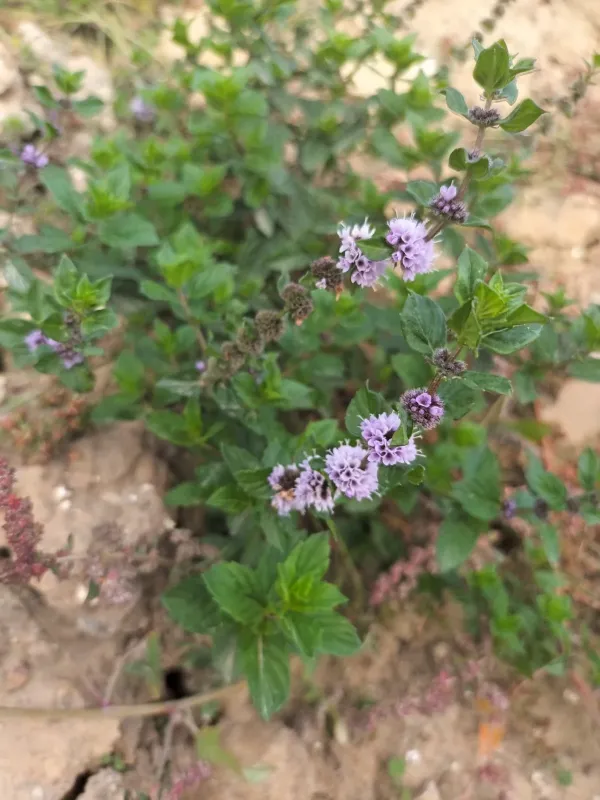
Smith's mint (Mentha smithiana) is a perennial aromatic herb belonging to the Lamiaceae family. As a hybrid form, it is primarily propagated through vegetative methods, such as rhizome cuttings, to ensure the offspring retain the desirable traits of the parent plant, as seeds often lack genetic uniformity.
The optimal time for planting is early spring, once the soil has warmed to approximately 8–10 degrees Celsius. Autumn planting is also feasible, provided it occurs well before the first heavy frost, allowing the rhizomes sufficient time to establish a stable root system before the onset of winter.
Propagation is typically achieved by dividing healthy rhizomes into segments, each containing at least 3–4 nodes. These are placed into furrows at a depth of 8–10 centimeters, with a row spacing of 60–70 centimeters to facilitate proper airflow, weed control, and mechanical maintenance of the crop.
Selecting high-quality planting material is critical for long-term success. Rhizomes should be free from signs of fungal disease or pest damage. Using robust, vigorous cuttings ensures a uniform stand and promotes rapid vegetative growth during the first season, leading to a higher biomass yield.
If utilizing a greenhouse method, plants can be started in trays or seedbeds before being transplanted into open fields after the risk of frost has passed. This technique accelerates the establishment phase, allowing the crop to take advantage of the full growing season and improving overall survivability.
Growing requirements
This crop requires consistent moisture levels, particularly during the peak vegetative growth stages. Adequate hydration is essential for the synthesis of secondary metabolites, specifically essential oils; therefore, an efficient irrigation system is crucial for maximizing crop quality and volume.
The soil should be fertile, loose, and well-draining, with a pH ranging from neutral to slightly acidic. Heavy clay soils that retain excessive water should be avoided, as stagnant moisture poses a high risk of rhizome rot, which can severely deplete the plant population on a commercial scale.
Smith's mint thrives in well-lit environments where ample sunlight promotes the production of menthol and other aromatic compounds. Partial shade may lead to excessive stem elongation and reduced oil concentration, making full-sun locations ideal for high-performance commercial production.
While the plant is relatively winter-hardy, it prefers a temperate climate. Exposure to harsh, drying winds can stress the plants during early spring growth. Protective planting or windbreaks may be beneficial in regions with extreme weather patterns to ensure the health of the young shoots.
A balanced fertilization strategy is recommended, focusing on nitrogen-rich applications at the start of the growing season to boost foliage. Post-harvest, applying potassium and phosphorus-based nutrients helps the plant recover and store energy for the subsequent growth cycle or winter dormancy.
Yield
The biomass yield of Smith's mint is influenced by plant age, soil fertility, and irrigation frequency. Under optimal conditions, the crop can provide high yields of green matter, making it a viable and profitable option for farmers looking to diversify into essential oil or herbal tea production.
Maximum productivity is typically observed during the second and third years of establishment. Beyond the fourth year, yields often decline due to overcrowding of the rhizome mats and soil nutrient depletion, necessitating a systematic renewal of the plantation to maintain high-quality outputs.
The concentration of essential oils is highly dependent on the plant's growth stage. The peak time for harvesting is during the early flowering phase, as the plant directs the majority of its metabolic energy toward producing secondary metabolites, which are concentrated in the leaves and florets.
Harvesting technology involves cutting the stalks 5–7 centimeters above ground level. This height allows for rapid regrowth from lateral buds. With good management, two harvests per season are possible, significantly improving the total economic return per hectare throughout the year.
Post-harvest handling is critical, requiring immediate drying in well-ventilated, shaded facilities. Proper drying prevents the oxidation of delicate oils and maintains the color and fragrance of the dried herbs, which are vital markers of market value for pharmaceutical and food processors.
Main diseases and pests
Mint rust (Puccinia menthae) is a primary concern, appearing as brown pustules on the leaf surface. This fungal disease spreads rapidly in humid conditions and can cause significant foliage loss, highlighting the need for regular crop monitoring and strict field hygiene to mitigate its impact.
Powdery mildew also presents a threat, manifesting as a white, dusty layer on the leaves. It impairs photosynthesis and reduces overall plant vigor. To prevent outbreaks, maintaining proper planting density for adequate airflow and using certified fungicide treatments when necessary are standard practices.
Pests like the mint leaf beetle can cause extensive damage by feeding on foliage, which lowers both biomass yield and quality. Integrated pest management, combining biological controls and targeted insecticide applications with careful attention to pre-harvest intervals, is essential for control.
Aphids and spider mites are common during dry spells. These pests suck sap from new growth, weakening the plants. Ensuring the mint is not stressed by drought significantly improves its natural resistance, while monitoring allows for timely intervention before infestations become widespread.
Disease prevention relies heavily on crop rotation, avoiding planting mint in areas previously occupied by other Lamiaceae members. Removing debris after harvest is another effective cultural practice that limits the overwintering of spores and insects, ensuring a cleaner field for the next season.
Harvesting
Harvesting begins when the crop reaches the stage of early mass flowering. This specific timing ensures the highest possible oil content. Delays in harvesting result in a rapid decline in oil quality and a decrease in the concentration of key aromatic compounds within the leaf tissue.
For the best results, harvest should take place during dry, mid-morning hours after dew has evaporated but before the heat of the day reaches its peak. This minimizes the risk of oil evaporation during the transition from the field to the drying facility, preserving the volatile components.
Mechanical harvesting is common in large-scale farms, using specialized cutters to ensure uniform heights. The precision of the cut is vital for the health of the rhizomes, as leaving sufficient stem tissue promotes better vigor and faster recovery for the following regrowth period.
The harvested material must be processed immediately to prevent self-heating, which can quickly degrade the aroma and cause chemical changes in the oils. Efficient handling between the field and the dryer is essential to maintaining the high standards required for essential oil extraction.
Final storage involves placing the thoroughly dried herbs into moisture-proof, light-protected containers. Proper packaging ensures the mint maintains its potency and sensory qualities for up to two years, making it suitable for high-demand wholesale or retail markets in the herbal industry.