
Scutellaria columnae
Scutellaria columnae
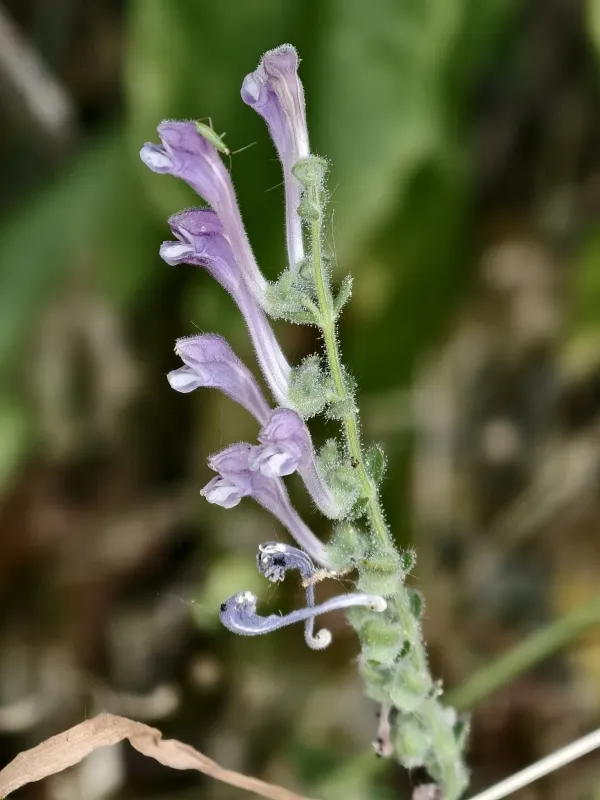
Description
Sowing dates
Sowing of Scutellaria columnae is ideally performed in early spring once the soil temperature reaches 10-12 degrees Celsius. The seeds require a cold stratification period of 30-40 days to break dormancy and ensure uniform germination.
For autumn sowing, seeds are planted in October, allowing them to undergo natural stratification within the soil throughout the winter. This practice often leads to more vigorous and hardy seedlings in the following spring.
Seed planting depth should be shallow, between 0.5 and 1 centimeter, due to the small size of the seeds. Ensuring intimate soil-to-seed contact and maintaining surface moisture are critical for successful emergence.
Planting patterns should accommodate the natural spread of the plants, typically using row spacing of 45-60 centimeters. This provides enough space for development and allows for easier mechanical weed control.
Seedlings develop slowly during the establishment phase, making weed management essential. Frequent hand weeding or light hoeing in the first month is necessary to prevent competition for nutrients and light.
Growing requirements
Scutellaria columnae, a member of the Lamiaceae family, is a perennial herb valued for its specific phytochemical profile. It is native to temperate mountain regions, influencing its adaptability and growth requirements.
The plant thrives in fertile, well-drained soils with a neutral or slightly acidic pH. Avoiding compacted or waterlogged heavy clays is vital to prevent root rot and ensure proper oxygen exchange in the rhizosphere.
High light intensity is a requirement for optimal biomass production and the accumulation of secondary metabolites. Shaded locations result in leggy plants and significantly reduced efficacy of the harvested raw materials.
While the species exhibits moderate winter hardiness, mulching is recommended in regions prone to severe frost without stable snow cover. This protects the crown from rapid freezing and thawing cycles.
During the growing season, consistent moisture is necessary, particularly during the flowering phase. While the plant can withstand brief dry spells, supplemental irrigation during drought periods improves overall yield and quality.
Main diseases and pests
Aphids are the most common pests, targeting tender new shoots and leaves. Management strategies include the use of organic insecticidal soaps or the encouragement of natural predators like ladybugs.
Root rot is the primary physiological threat when soil drainage is inadequate. Prevention relies on proper site selection and moisture management to prevent the proliferation of pathogenic fungi in the root zone.
Powdery mildew may occur in conditions of high humidity combined with stagnant airflow. Removing infected leaves and spacing plants correctly helps mitigate the risk of fungal spread throughout the crop.
Cutworms and other leaf-eating caterpillars can pose a threat during the spring growth flush. Regular scouting of the field allows for early intervention and protection of the plant's structural integrity.
Crop rotation is essential for long-term production. Scutellaria columnae should not be planted in fields previously used for other Lamiaceae members to reduce the soil-borne pathogen load.
Harvesting
Harvesting the aerial parts of Scutellaria columnae should be conducted during the peak flowering stage when active compounds are most concentrated. Stems are cut approximately 5-10 centimeters above the ground.
Root harvesting is performed in late autumn after the aerial portions begin to senesce. This timing ensures that the energy and bioactive compounds are stored in the roots for overwintering.
After excavation, roots must be washed thoroughly to remove soil and organic debris. Quick rinsing in cold water is preferred over soaking to prevent the leaching of water-soluble active ingredients.
Drying occurs in a well-ventilated, shaded environment at temperatures not exceeding 45 degrees Celsius. Excessive heat can degrade sensitive essential oils and flavonoids present in the plant tissues.
Properly dried material is stored in breathable paper or cloth bags within a dark, cool place. Under optimal storage conditions, the pharmaceutical value of the product can be maintained for up to three years.