
Scutellaria dependens
Scutellaria dependens
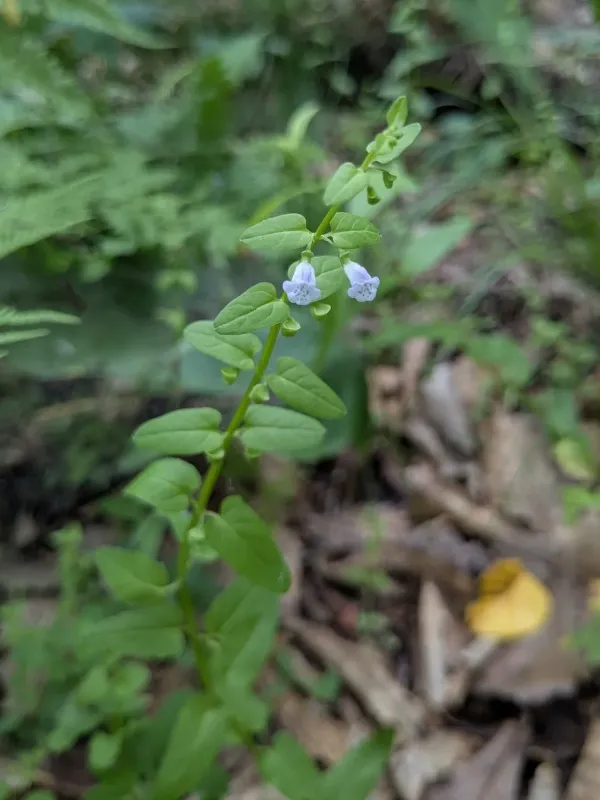
Description
Sowing dates
Scutellaria dependens is a perennial herbaceous plant belonging to the Lamiaceae family. It is typically propagated by seeds, which require specific conditions for successful germination in agricultural settings.
Sowing should take place in early spring once soil temperatures reach approximately 5–8 degrees Celsius. The seeds are small and should be placed at a shallow depth of 1 to 1.5 centimeters.
Field preparation involves creating a fine seedbed to ensure uniform contact between the seed and soil particles. Adequate soil moisture during the establishment phase is critical for high emergence rates.
Row spacing is usually set between 30 and 45 centimeters to allow for mechanical weeding and proper air circulation. Using specialized small-seed equipment helps in maintaining consistent density.
Fall sowing is an alternative strategy, allowing for natural cold stratification during winter, which often results in more vigorous and uniform growth in the following spring.
Growing requirements
The plant thrives in well-drained, fertile loamy or sandy soils. While it appreciates moisture, it is sensitive to waterlogged conditions, which can lead to root damage and poor development.
It prefers neutral to slightly acidic pH levels. Adding organic compost or well-rotted manure during field preparation significantly enhances soil structure and overall plant vigor.
As a temperate climate plant, it is hardy and capable of withstanding harsh winter temperatures. Its root system remains dormant throughout winter and produces new vegetative growth in early spring.
Consistent irrigation is vital during the growing season, particularly during the flowering stage. Drought stress during this period can negatively affect the yield and quality of the medicinal harvest.
Scutellaria dependens responds well to balanced NPK fertilizers, especially those with higher concentrations of phosphorus and potassium, which support root development and blossom production.
Yield
Yield production is based on both aerial biomass and roots. The aerial parts are harvested for herbal use, while the roots are often harvested for specific medicinal applications.
Dry matter yields for the foliage typically range from 1.5 to 2.0 tonnes per hectare, depending on soil quality, irrigation management, and the frequency of harvests during the season.
Root harvest is generally performed on plants that are at least three years old. This duration allows the plant to develop a substantial root mass with high concentrations of active compounds.
Implementing a proper crop rotation system is essential to maintain high yields and prevent soil exhaustion. Rotating with cereals or legumes helps in managing soil nutrient levels effectively.
Productivity can be maximized by ensuring optimal plant density and minimizing weed competition, which is particularly important during the first year of establishment.
Main diseases and pests
The plant is generally resilient; however, it can be susceptible to fungal issues such as powdery mildew in areas with high humidity and poor ventilation.
Root rot is the most common threat, often occurring in poorly drained soils. Maintaining proper field drainage and avoiding over-irrigation are key preventative measures.
Aphids and spider mites are common insect pests that target young, succulent leaves. Early detection and the use of integrated pest management are recommended to avoid chemical residues.
Slugs can pose a risk during damp weather, particularly for seedlings. Physical barriers or organic molluscicides may be used if the infestation becomes economically significant.
Adhering to strict phytosanitary practices during harvest and storage helps in maintaining the quality of the raw material and prevents contamination by pathogens.
Harvesting
Aerial harvesting occurs during full bloom when the plant's phytochemical concentration is highest. The plants are mowed, ensuring the cut is high enough to encourage regrowth.
Drying must be immediate to prevent enzymatic degradation. A shaded, well-ventilated space with a temperature range of 40–45 degrees Celsius is ideal for retaining color and quality.
Root harvest is performed in late autumn after the foliage has withered. The roots are excavated using mechanical diggers, cleaned thoroughly with water, and dried properly.
Proper drying of roots requires moving air and controlled temperatures to prevent mold growth. Once fully dried, the material should be brittle but not carbonized.
Storage should take place in breathable, moisture-proof containers placed in a cool, dark environment to ensure the chemical components remain stable throughout the shelf life.