
Scutellaria brachyspica
Scutellaria brachyspica
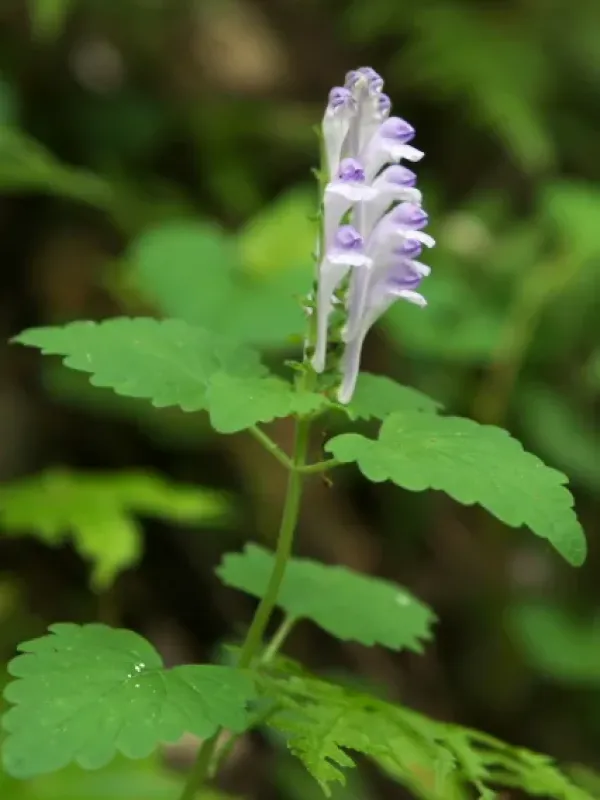
Description
Sowing dates
Sowing of Scutellaria brachyspica is typically performed in early spring once soil temperatures reach 8–10°C. Seeds often require a stratification period to break dormancy and ensure uniform germination across the field.
The seeds should be planted at a depth of 1.5 to 2 cm. Excessive planting depth significantly hinders seedling emergence and increases the vulnerability of the crop to competition from weeds.
Row spacing should be maintained between 40 and 50 cm. This spacing is optimal for ensuring adequate airflow and allowing for efficient mechanical cultivation of the inter-row areas.
A seeding rate of 2–3 kg per hectare is recommended for optimal plant density. Proper calibration of seeding equipment is essential to ensure a consistent and uniform plant stand.
Late autumn sowing is also a viable practice in some regions. This approach utilizes winter moisture for germination and leads to earlier emergence, providing the crop with a head start in the growing season.
Growing requirements
Scutellaria brachyspica belongs to the Lamiaceae family. It is a perennial herbaceous plant that thrives best in well-drained loamy or sandy soils with good aeration.
The crop requires open, sun-exposed locations for maximum biomass production. Sites prone to waterlogging or high water tables should be strictly avoided to prevent root damage.
Soil pH should ideally be maintained between 6.5 and 7.5. Applying organic compost before planting provides the necessary nutrients for sustained growth throughout the lifecycle.
While the species exhibits moderate drought tolerance, adequate moisture is critical during the budding and flowering stages to ensure high-quality output and secondary growth.
The plant is highly frost-resistant, making it suitable for temperate climates where winter temperatures can be quite low. It maintains hardiness during dormancy without special protection.
Main diseases and pests
Root rot is the most common threat when the crop is grown in poorly drained soils. Maintaining proper drainage and avoiding excessive irrigation are the primary preventive measures.
Powdery mildew can occur in dense, humid conditions. Improving air circulation within the canopy through proper spacing is the most effective cultural method to reduce disease pressure.
Aphids can attack tender shoots during the spring and early summer. Scouting fields regularly helps in identifying early infestations, allowing for timely and focused management actions.
Spider mites may become an issue during periods of prolonged heat and low humidity. Maintaining crop vigor through balanced water management can help the plants withstand minor attacks.
Strict adherence to crop rotation is essential to avoid the buildup of soil-borne pathogens, ensuring that the field remains healthy for subsequent growing cycles.
Harvesting
Harvesting for herbal raw material is best performed during the peak flowering phase. At this time, the concentration of secondary metabolites in the aerial parts is at its maximum.
Cutting should be performed 5–7 cm above the ground. This height preserves the lower buds and allows the plant to regenerate effectively after the first harvest.
Immediately after harvesting, the raw material must be transported to a drying facility. Leaving cut plants in stacks causes fermentation, discoloration, and a decline in quality.
Drying occurs in a well-ventilated space or professional dryers at temperatures not exceeding 40–45°C. High temperatures must be avoided to prevent the loss of volatile compounds.
After reaching optimal moisture levels, the material is cleaned of foreign debris and packed in moisture-resistant bags to ensure long-term stability and potency.