
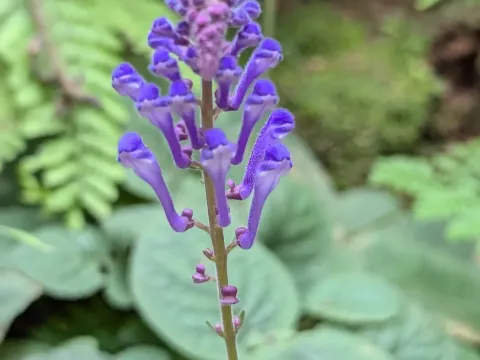
Scutellaria discolor
Scutellaria discolor
Scutellaria discolor is a perennial herbaceous plant belonging to the Lamiaceae family. This species is valued primarily for its specific bioactive compounds, which are extracted from its root system and aerial parts for medicinal applications.
What the section contains
Scutellaria discolor
The plant originates from East Asia, where it has evolved to thrive in temperate climates. Its natural habitat includes woodland margins and rocky slopes, which dictates the need for specific growing conditions when domesticated.
The optimal soil for this crop is well-drained, fertile, and slightly acidic to neutral loam. Proper aeration of the soil is critical because the plant's roots are highly susceptible to damage caused by waterlogged environments.
Regarding climate, the plant prefers moderate temperatures and requires protection from extreme heat or prolonged drought. It performs best in areas with consistent but moderate moisture levels throughout the growing season.
Cultivation of Scutellaria discolor is increasingly relevant for the pharmaceutical industry. Its role as a source of medicinal compounds makes it a significant, albeit niche, agricultural product that requires precision in management.
Root rot represents the most significant threat to Scutellaria discolor crops. This disease is typically triggered by poor drainage and excessive irrigation, necessitating strict water management during the development stage.
Powdery mildew is a common fungal threat that appears as a white coating on the leaves. It usually flourishes in dense plantings with poor air circulation, underscoring the need for proper spacing between individuals.
Insect pests like aphids and spider mites are known to infest the plant, feeding on the cell sap and weakening the plant's resistance to other environmental stressors. Regular field inspections are essential for mitigation.
Management strategies should focus on integrated pest management (IPM), favoring biological controls over heavy chemical treatments to ensure the safety and quality of the final medicinal output.
Furthermore, maintaining soil health through organic amendments can enhance the plant's natural immunity, making it less vulnerable to the mentioned threats throughout its lifecycle.