
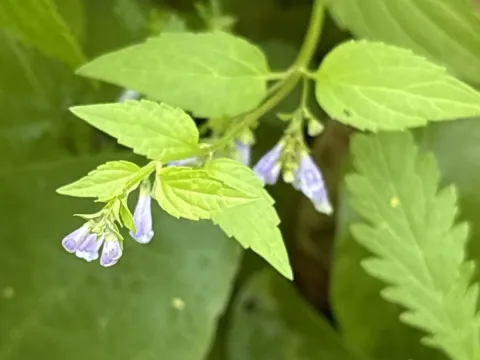
Scutellaria lateriflora
Scutellaria lateriflora
Scutellaria lateriflora, commonly known as mad-dog skullcap, is a perennial herbaceous plant belonging to the Lamiaceae family. Seeds should be sown in the spring once the ground temperature has consistently reached 10-15 degrees Celsius.
What the section contains
Scutellaria lateriflora
To achieve high germination rates, the seeds require a cold stratification period of 30 to 60 days. In agricultural practice, starting with indoor transplants is often preferred to ensure a robust crop development in its first year.
When direct seeding, shallow planting (no more than 0.5 cm) is recommended, followed by maintaining consistent soil moisture. Germination usually occurs within 2 to 3 weeks under optimal conditions.
Transplanting seedlings to the field should occur after the danger of frost has passed. Planting patterns usually involve 45-60 cm spacing between rows to allow for optimal airflow and easier maintenance.
Choosing the right location is crucial; it should be an area with moisture-retentive, well-draining soil that receives partial sun, as this plant is native to wetlands and shady environments.
Scutellaria lateriflora thrives in moist, organic-rich soils. It is particularly well-suited to heavy, nutrient-dense garden loams. It does not tolerate prolonged dry periods, making water management the most critical part of its cultivation.
The plant prefers temperate climates and performs best in partial shade. Excessive direct sunlight can cause leaf scorching and increase the water demand beyond what the root system can process efficiently.
Soil pH should ideally be neutral to slightly acidic. Incorporating compost or well-rotted manure before planting helps in retaining soil moisture while providing essential micronutrients.
Fertilization should be handled with care; excessive nitrogen can promote succulent, weak growth that becomes a magnet for pests. Organic soil amendments are generally preferred over synthetic alternatives.
While the plant is hardy in many zones, providing a layer of mulch during the winter season can protect the root system from extreme fluctuations in soil temperature, especially in areas with little snow cover.
The primary agricultural threat to skullcap is root rot caused by poor soil drainage and stagnant water. Proper site selection and raised bed systems are the most effective preventive measures.
Pests such as aphids and spider mites can infest the foliage, particularly in hot, dry conditions or when the plants are grown in crowded, poorly ventilated areas. Early detection is key to managing these populations.
Fungal issues like powdery mildew may arise if humidity remains high around the leaves for extended periods. Pruning the lower foliage and ensuring adequate spacing between plants significantly reduces this risk.
Leaf-eating insects can decrease the quality of the harvested material. Integrated pest management strategies, including the use of beneficial insects, are recommended for organic medicinal herb production.
Regular monitoring of the plantation is essential. A systematic approach to checking for signs of stress, such as yellowing leaves or stunted growth, allows for quick intervention before a minor issue becomes a field-wide problem.
Harvesting should be timed to coincide with the plant's peak flowering stage. This is when the concentration of beneficial volatile oils and compounds is at its highest, typically mid-to-late summer.
The aerial parts of the plant are harvested by cutting stems about 10-15 cm above the soil level. Using sterilized shears prevents the introduction of pathogens into the root crown, allowing for potential regrowth.
Immediately after harvesting, the material must be dried to prevent mold growth. Drying should occur in a dark, clean, and well-ventilated area to preserve the color and chemical integrity of the leaves.
The temperature during drying should not exceed 40 degrees Celsius. Higher heat causes the rapid loss of volatile compounds, which significantly lowers the market value and medicinal potency of the herb.
Once fully dried and brittle, the crop should be stored in airtight containers away from direct light. Proper storage ensures the herbs maintain their potency for an extended shelf life.