
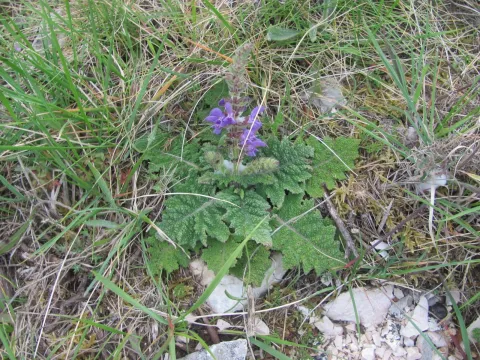
Clary sage
Salvia sclareoides
Clary sage is typically sown in early spring as soon as the soil is workable and has warmed up sufficiently. In regions with milder climates, late autumn sowing is also practiced to allow for natural seed stratification, which can improve germination rates.
What the section contains
Clary sage
The seeds should be planted at a shallow depth of 1 to 2 centimeters to ensure they have enough light and contact with moisture for successful emergence. Precision sowing is recommended to maintain the uniform plant spacing necessary for optimal biomass growth.
Recommended row spacing ranges from 45 to 60 centimeters, allowing for efficient mechanical weeding and nutrient management between rows. Keeping the planting distance correct is vital to minimize plant competition for nutrients and solar radiation.
Germination typically takes about two to three weeks depending on soil moisture and ambient temperature. During this sensitive stage, consistent irrigation is essential to prevent the soil surface from crusting, which can impede seedling growth.
The seeding rate is approximately 1 to 1.5 kilograms per hectare, depending on seed quality and the sowing method used. Once established, the seedlings are robust enough to withstand mild weather fluctuations, making the crop relatively reliable.
As a member of the Lamiaceae family, Clary sage thrives in well-drained, sunny locations. It is highly photophilic and requires full exposure to sunlight throughout its growth cycle to maximize the accumulation of essential oils in its tissues.
The crop prefers light, sandy loam or loamy soils with a neutral or slightly alkaline pH. It does not tolerate heavy or waterlogged soils, which significantly increase the risk of root rot and other physiological issues related to oxygen deprivation in the root zone.
Clary sage possesses moderate drought tolerance once established, making it suitable for semi-arid environments. However, providing supplemental irrigation during the peak flowering stage will significantly enhance the overall harvest yield.
Optimal temperature for growth ranges between 20 and 25 degrees Celsius. While it is hardy in many temperate zones, it benefits from a protective snow cover or light mulch in harsh winters to prevent frost damage to the basal rosette.
Effective management requires balanced fertilization, particularly with potassium and phosphorus, which aid in plant structural integrity and essential oil production. Avoid excessive nitrogen as it can lead to lush leaf growth at the expense of oil concentration.
Common threats to Clary sage include fungal infections such as root rot and powdery mildew. These diseases are most prevalent in high-humidity conditions or poor drainage, where moisture persists too long around the base of the plant.
Pests like cutworms and meadow moths can cause significant damage to the foliage. Integrated pest management, which focuses on biological controls and regular field monitoring, is the most effective approach for protecting the crop's health.
Crop rotation is crucial in maintaining soil health and preventing the buildup of soil-borne pathogens. A gap of at least four to five years between planting the same field with sage or other related Lamiaceae species is highly recommended.
Weed competition during the first phase of growth can severely stifle development. Mechanical inter-row cultivation is the standard way to keep the field clean, simultaneously aerating the soil and creating a mulch barrier to retain moisture.
If fungal disease becomes visible, fungicides approved for use on essential oil crops should be applied according to regulatory guidelines. Early detection through regular scouting is the best way to prevent widespread infection.
Harvesting is typically performed during full bloom, as this is when the essential oil content in the floral spikes reaches its maximum potential. Timing is critical to ensure the highest quality extraction for the fragrance and pharmaceutical industries.
Mechanical harvesters are used to cut the plants at a specific height that preserves the leaf rosette, ensuring the plants can recover for future harvests or seasons. The material should be handled gently to avoid crushing the oil-bearing glands.
Prompt processing or drying of the harvested material is essential to prevent self-heating and oil loss. If drying, it should be done in well-ventilated, shaded facilities at temperatures below 45 degrees Celsius to protect delicate aromatic compounds.
In large-scale operations, steam distillation is the primary method used to extract the volatile oils. This process requires precise steam pressure and temperature control to ensure the integrity of the final aromatic extract.
Storage of the dried biomass requires cool, dry, and dark conditions to prevent oxidation. Properly stored material can maintain its potency for several months, allowing for flexible processing schedules based on market demand.