
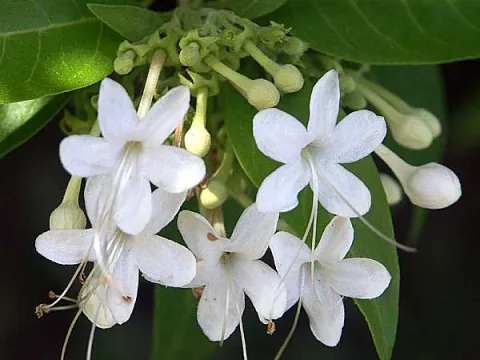
Clerodendrum aculeatum
Clerodendrum aculeatum
Clerodendrum aculeatum is a perennial evergreen shrub belonging to the Lamiaceae family. Native to the tropical regions of the Caribbean and the Americas, it is well-known for its adaptability to various coastal environments where it serves both decorative and functional purposes.
What the section contains
Clerodendrum aculeatum
The plant thrives in tropical climates and is highly sensitive to cold weather. It cannot tolerate frost, which limits its outdoor cultivation to frost-free regions. Protection from wind and excessive temperature drops is essential for maintaining plant vigor.
For optimal development, the soil must be fertile, well-draining, and slightly acidic to neutral. High moisture retention is beneficial, but standing water must be strictly avoided, as it leads to root rot and other physiological disorders in this specific species.
Exposure to full sun or partial shade is ideal for this species. When planted in areas with intense heat, slight afternoon shade helps to preserve the moisture balance of the foliage and prevents leaf scorch during the peak summer months.
Agricultural practices include regular fertilization during the growing season to support its vigorous habit. Periodic pruning is necessary to maintain the desired size and shape, especially when the plant is used as a formal hedge or screen in gardens.
Clerodendrum aculeatum is susceptible to several common pests found in tropical gardens, with spider mites being the most frequent problem, particularly in dry and hot conditions. These pests suck the sap, causing leaves to yellow and drop prematurely.
Scale insects and mealybugs may also infest the plant, usually appearing in the crevices of stems or underneath the leaves. Regular inspection and the application of horticultural oils or systemic insecticides are effective measures to control these pest populations.
Fungal diseases are predominantly linked to poor drainage and high humidity combined with limited air circulation. Root rot remains the most significant threat to the plant's long-term health when the soil remains saturated for extended periods.
Maintaining proper spacing between shrubs is crucial to ensure good ventilation, which significantly reduces the risk of fungal infections. Thinning out the inner canopy helps to keep the plant dry and less attractive to harmful pathogens.
Integrated pest management strategies should be employed to maintain the health of the shrubs. This includes using beneficial insects where possible and ensuring the plant receives adequate nutrition to build its natural resistance against environmental stressors.