
Cleonia
Cleonia
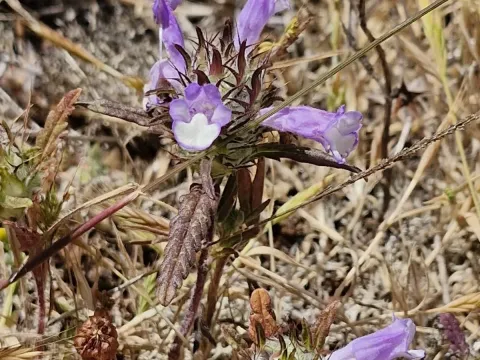
Cleonia (Cleonia) is a monotypic genus of herbaceous plants classified within the family Lamiaceae. It is a perennial plant known for its adaptation to specific ecological niches within the Mediterranean basin, where it typically inhabits dry, open landscapes.
What the section contains

Cleonia
The native distribution area of this genus includes Western Europe and Northern Africa. It thrives in regions characterized by a Mediterranean climate, which involves mild, wet winters and hot, dry summers, forcing the plant to develop drought-resistant physiological traits.
Regarding soil requirements, Cleonia demands excellent drainage to prevent root rot. It prefers rocky, calcareous, or sandy soils and generally struggles in heavy clay environments where water retention is excessively high during the dormant or growth seasons.
Botanically, the plant features square stems typical of the Lamiaceae family, opposite leaves, and distinctive zygomorphic flowers arranged in dense inflorescences. These morphological features are adaptations meant to attract specific pollinators and maximize reproduction in arid conditions.
In cultivation, sunlight is the most vital factor for the plant's vigor. It requires full sun exposure to maintain its compact growth habit and consistent flowering cycle.
- Requires well-draining soil
- Prefers neutral to alkaline pH
- High light intensity is mandatory
- Low water input after establishment
- Requires minimal fertilization