
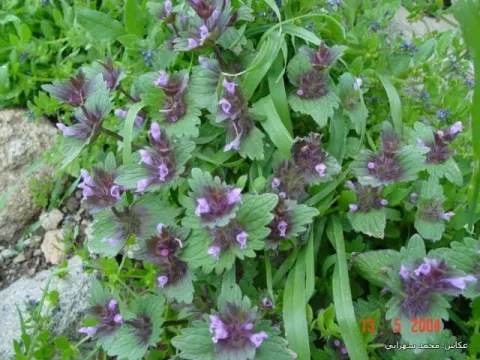
Lamium macrodon
Lamium macrodon
Lamium macrodon is an herbaceous plant member of the Lamiaceae family, notable for its distinct serrated leaf edges that differentiate it from other related species within the genus. This plant is well-regarded for its adaptive properties in various temperate ecosystems.
What the section contains
Lamium macrodon
The crop thrives in fertile, well-drained soils rich in organic matter. While it prefers a loamy texture that retains moisture, it is imperative to avoid waterlogged conditions, which can lead to rapid decay of the root structure and loss of plant vigor during the vegetative phase.
Regarding light requirements, Lamium macrodon performs best in partial shade or areas with filtered sunlight. Direct, high-intensity exposure during peak summer heat can induce wilting, therefore site selection should account for natural shelter or canopy protection.
The climate suitability for this species centers on moderate temperatures and consistent moisture levels. It demonstrates good resilience to seasonal transitions, but extreme frost during winter requires the application of organic mulch to protect the plant crown and ensure spring regrowth.
In terms of agricultural and commercial utility, the plant is primarily harvested for its bioactive compounds, which include flavonoids and various tannins. Beyond its medicinal applications, it serves as an excellent ground cover that supports local pollinator populations throughout its blooming season.
Powdery mildew is the most common pathological threat to Lamium macrodon, particularly in dense, poorly ventilated plantings. Symptoms include white powdery spots on the foliage, which necessitates careful pruning and spacing to allow for improved air circulation.
Pests such as aphids and leaf-eating beetles frequently target the tender shoots during the early stages of development. Integrated pest management strategies, including the use of soaps or botanical oils, are recommended to maintain the medicinal quality of the harvested biomass.
Root rot, driven by stagnant water, represents a critical failure point in agricultural management. By ensuring proper site drainage and avoiding heavy, compacted soils, growers can significantly minimize the risk of soil-borne fungal infections that compromise plant stability.
Competition from aggressive weed species is a significant challenge during the early establishment phase. Manual weeding or the use of biodegradable mulch layers is essential to prevent nutrient depletion and ensure that the crop has enough space to expand its root system.
Sanitation practices, such as the removal of infected debris at the end of the season, are vital for disease control. By cleaning the planting beds, growers interrupt the life cycle of common pathogens and prevent their recurrence in the following growing season.