
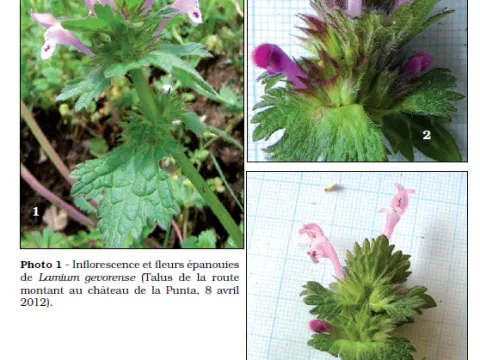
Lamium gevorense
Lamium gevorense
Lamium gevorense is a herbaceous perennial belonging to the Lamiaceae family. It is known for its specific ecological niche and moderate growth rate under natural environmental conditions.
What the section contains
Lamium gevorense
Sowing should ideally take place in late autumn, allowing the seeds to undergo natural stratification during the winter. This process is essential for breaking dormancy and ensuring uniform germination in spring.
If sowing in the spring, the seeds must be prepared correctly, ensuring constant moisture and stable temperatures. Seed depth should be shallow, typically 1–2 cm, to allow for optimal seedling emergence.
Proper spacing between rows is necessary to prevent overcrowding, which can lead to poor air circulation. A distance of 30–45 cm between rows is generally recommended for successful commercial cultivation.
Once established, the plants demonstrate a strong capacity for vegetative propagation via underground stolons. This biological trait allows for the formation of a dense, competitive canopy over time.
This crop thrives in fertile, well-draining soils with a neutral pH. Excessive moisture in the root zone can lead to rapid decay, so soil structure and aeration are critical factors for productivity.
Lamium gevorense is sensitive to extreme sunlight and heat. It performs best in partial shade, where it receives enough light for photosynthesis without the risk of leaf scorch during the summer months.
Temperature management is crucial; the plant prefers moderate climatic conditions. Frost resistance is generally high, as the species is adapted to temperate climates with consistent snow cover in winter.
Regular weeding is essential during the early stages of growth, as the plant is susceptible to competition from aggressive weeds. Once the canopy closes, the plant is much more self-sufficient.
Application of compost or well-rotted organic matter is encouraged to maintain soil fertility. Excessive use of high-nitrogen synthetic fertilizers should be avoided to prevent weak, succulent growth.
Fungal diseases are the primary threat, especially powdery mildew, which can spread rapidly in humid, stagnant air conditions. Improving ventilation is the most effective preventative measure.
Root rot is a common issue caused by poor drainage or overwatering. Maintaining a balanced soil moisture level is vital for the long-term health of the plant population.
Pests such as aphids and spider mites may infest the foliage during hot, dry spells. Integrated pest management, focusing on biological controls, is highly recommended for these conditions.
Slugs and snails can severely damage young leaves. Protective barriers around the beds can effectively prevent these pests from reaching the vulnerable parts of the plants during the night.
Early identification of signs such as chlorosis or spotting is necessary to manage outbreaks. If infection occurs, affected plants should be promptly removed and destroyed to limit spreading.